





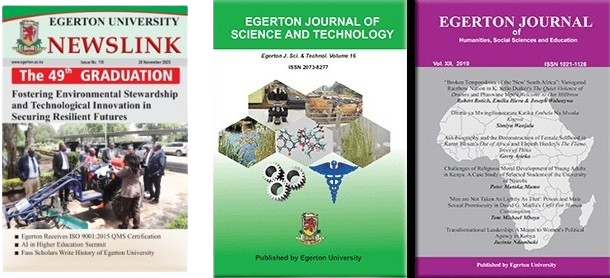
Egerton University NewsLink Magazine & Journals
Egerton University, Kenya in partnership with Nanjing Agricultural University, China and International Fund For Agricultural Development (IFAD) are implementing a project titled ‘Empowering Rural Youth through innovative horticultural solutions in Tomato Value Chain, Nakuru Kenya’. The objective of the joint project is to foster a sustainable tomato value chain and improve the livelihoods of rural youth and women through transferring innovative horticultural technologies and promoting market access and business linkages for young farmers in Kenya. The project has been funded to a tune of US Dollars 200,000.
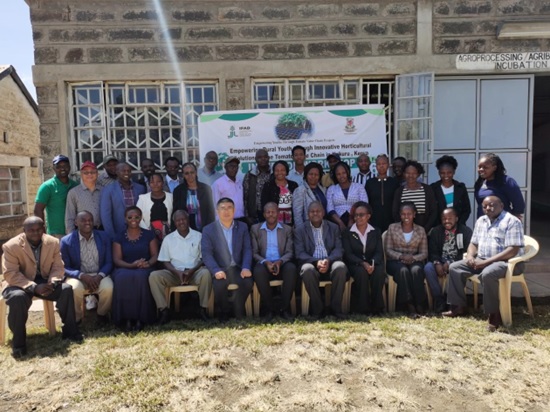
As part of the project activities, an inception Workshop for the project was organized by the Confucius Institute at the Nakuru Agricultural Training Center (Nakuru ATC) on 6th February, 2024. The Kenyan director Prof. Joshua Ogweno, the Chinese director Prof. Liu Yutao, the Agricultural expert Prof. Liu Gaoqiong, Dr Stephen Githeng’u Horticulture expert, Dr Oscar Ingasia Agricultural economist as well as 30 Kenyan agricultural Extension officers, farmer representatives from Nakuru, representatives of industry practitioners from Agitech Seedlings Ltd and Seed Delight Ltd attended the workshop.
Prof. Liu Yutao introduced the background of the project, the tasks to be carried out as well as the objectives to be achieved. He also explained the purpose of the workshop expressing his hope that agriculture officials, private sector and farmers would closely cooperate in implementing the project. This will help in resolving the key challenges hindering the development of the tomato industry in Kenya, further supporting agricultural development and poverty reduction in the country. Prof. Joshua Ogweno gave an overview of the project and outlined the activities to be carried out during the implementation up to September 2024. Professor Liu Gaoqiong gave a lecture on tomato grafting technology and analyzed the feasibility of the project on-site.
Group photo for the participants attending the workshop
Dr. Stephen Githeng’u introduced the identification and management techniques for tomato bacterial wilt disease. Dr Ingasia presented the tomato value chain analysis and role of the various actors in the chain. During the feedback session the participants in attendance engaged in earnest discussions about potential challenges and ways of improving engagements with all the stakeholders in implementing the project.
During just ended STR14 Society Week held in Nairobi, Government Institutions showcased their strong commitment to fostering research and innovation across various sectors.
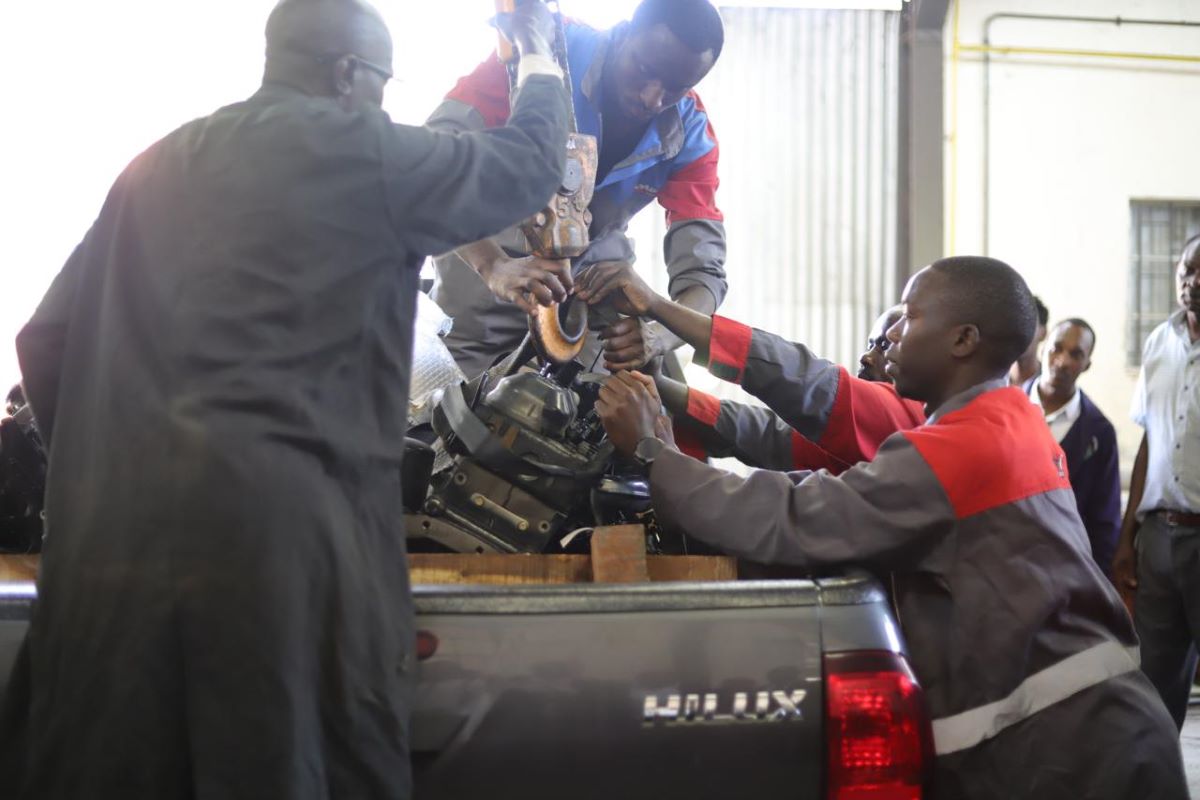
Nairobi, May 25, 2026 —Egerton University and Corporation For Africa and Overseas (CFAO-Kenya) today formally entered into a strategic partnership aimed at promoting mechanized agriculture at the University through Faculty of Agricultural Engineering.