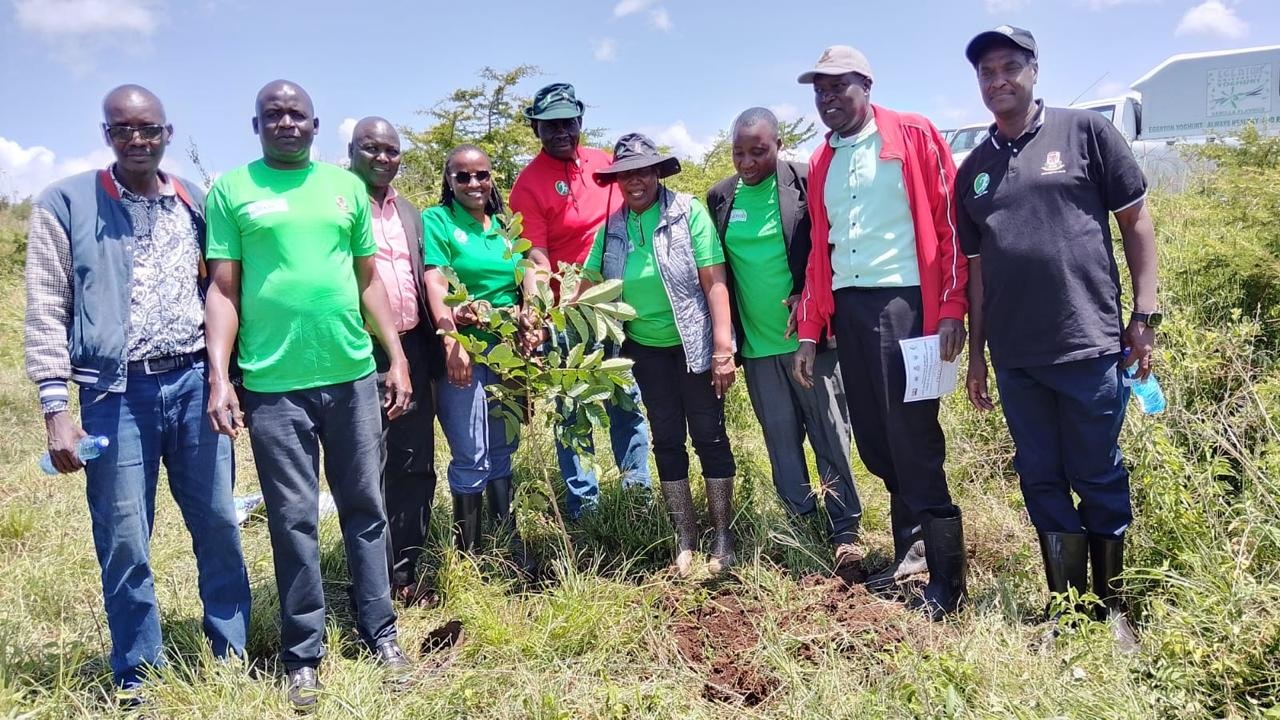




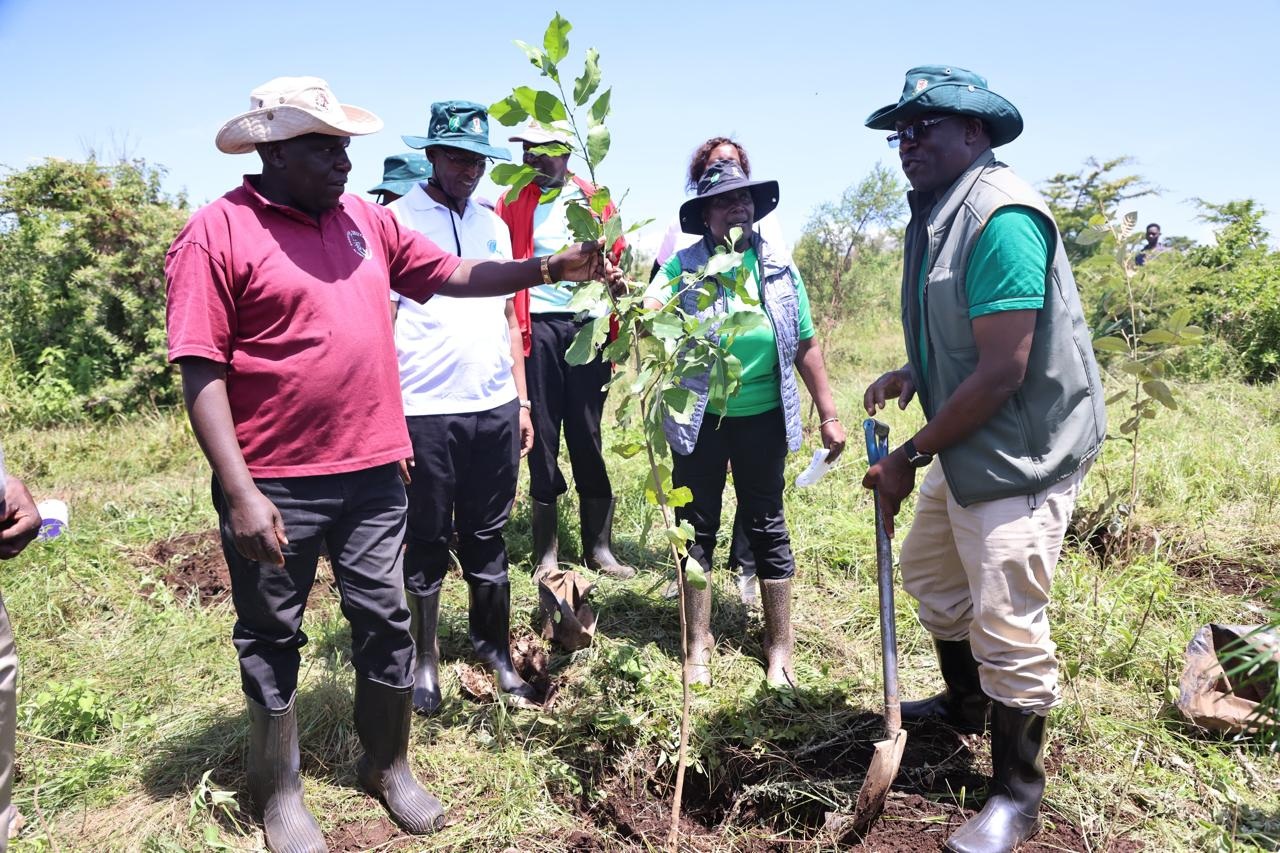
Office of the Prime Cabinet Secretary Leads Tree Planting Exercise at Egerton University Nakuru, Egerton. 15th May, 2026 The Office of the Prime Cabinet Secretary, through the State Department for Parliamentary Affairs, led a tree planting exercise at Egerton University during which 7,200 seedlings were planted at Ngongongeri Farm in support of the national tree growing campaign. The exercise was led by the Secretary Administration in the State Department for Parliamentary Affairs, Mr. Henry Ochako, who represented Principal Secretary CPA Dr. Aurelia Rono.
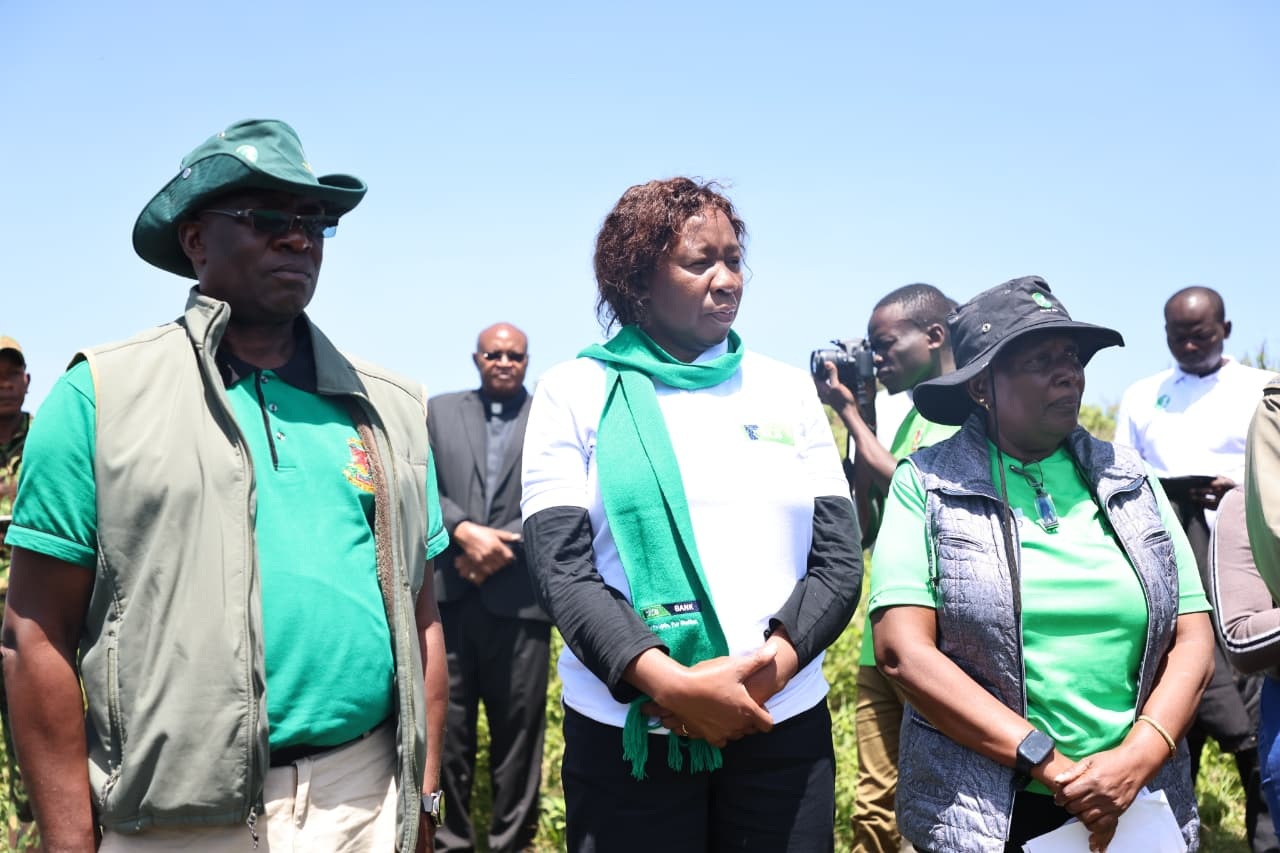
He was received at the Chancellor’s Chambers by Deputy Vice Chancellor Academics, Research and Extension Prof. Bernard Aduda together with Deputy Vice Chancellor Administration, Finance and Planning Prof. George Muthaa. Prof. Aduda later led the University delegation during the exercise. Ngongongeri Farm operates under the Egerton University Investment Company and is headed by Prof. Richard Mulwa as the Acting Managing Director. The farm plays a strategic role in supporting agricultural production, environmental conservation, and sustainability initiatives within the University. Speaking during the event, Mr. Ochako said universities remain critical partners in the implementation of the Presidential directive aimed at increasing Kenya’s tree cover by 2032.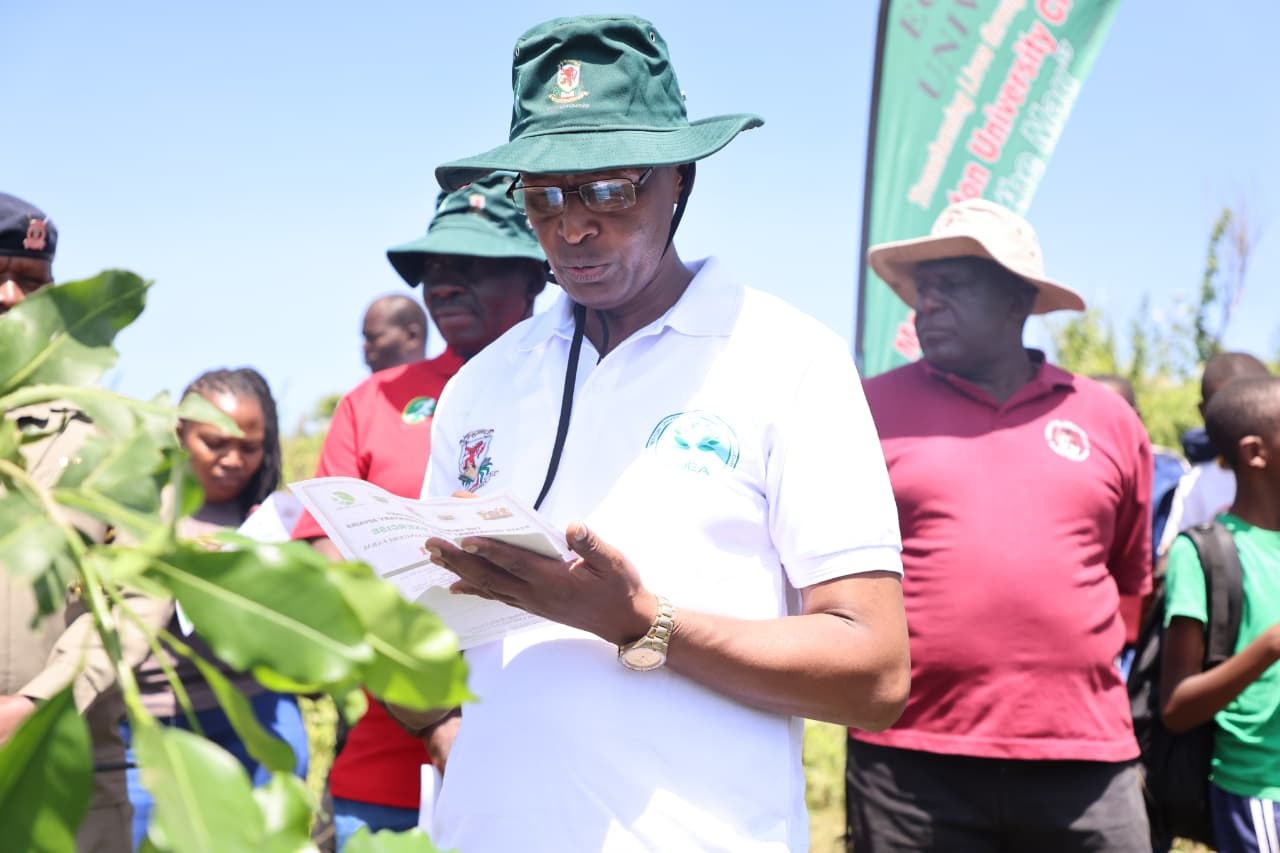
He noted that the collaboration between government institutions and universities demonstrates a shared commitment towards environmental sustainability and climate resilience. “Egerton University is our key partner in helping achieve the target set by His Excellency the President,” said Ochako. He observed that tree planting is essential in addressing environmental challenges such as desertification, declining water catchment areas, and the drying up of rivers. In particular, this rehabilitation effort directly mitigates severe environmental threats within the upper Njoro River catchment, where extensive human-induced soil erosion and rapid land-use changes have historically triggered acute land degradation and reduced groundwater recharge. Scientific assessments underscore that restoring vegetation cover is critical for the Njoro Watershed, which contributes approximately 39% of the annual runoff feeding downstream habitats in Lake Nakuru—an internationally recognized Ramsar wetlands site. To ensure the long-term success and high survival rates of these 7,200 seedlings, Egerton University leverages the scientific benefits of the Shamba system, currently formalized as the Plantation Establishment for Livelihood Improvement Scheme (PELIS). Agroforestry research highlights that allowing local communities to intercrop subsistence food items alongside young exotic saplings provides mutual socio-economic and ecological advantages.
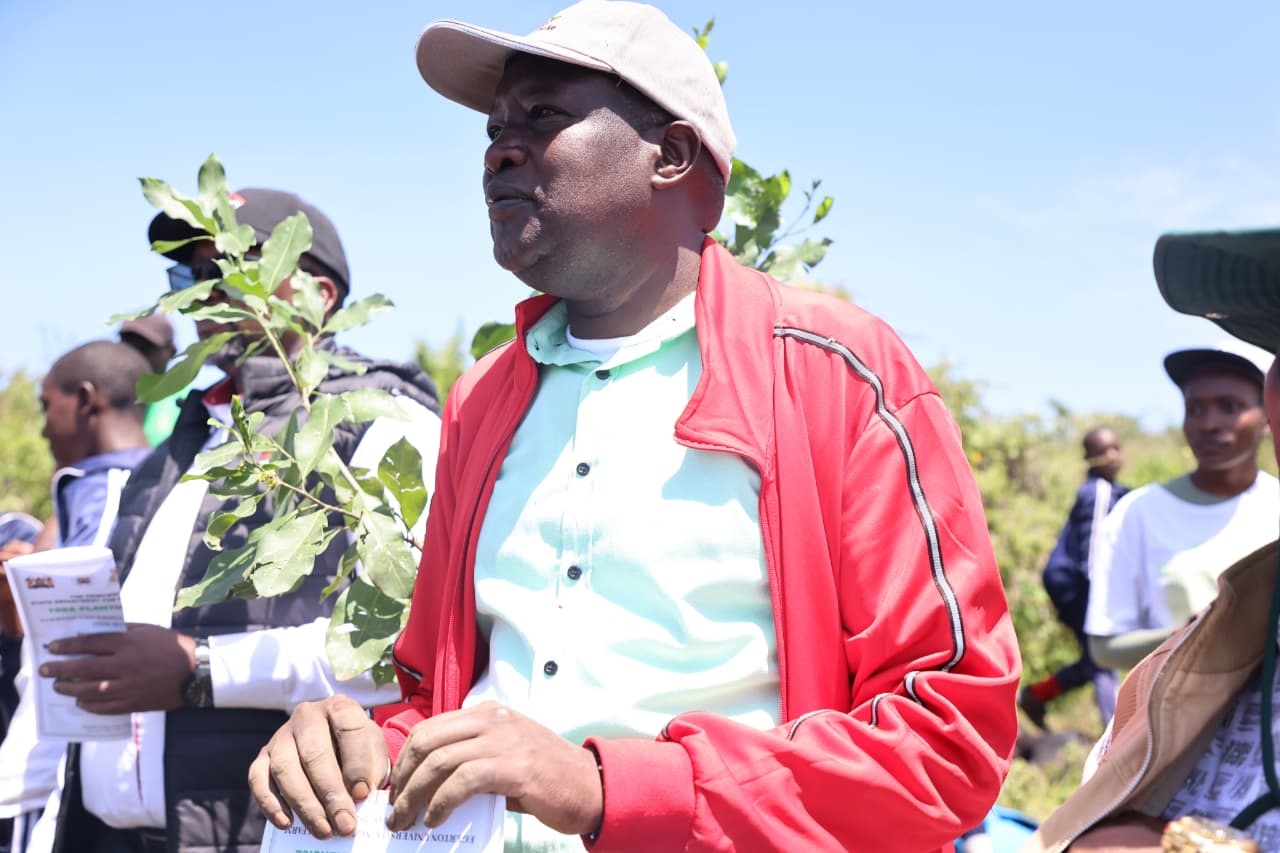
This cooperative land management model incentivizes farmers to actively suppress weeds and protect the emerging canopy, significantly reducing the initial upkeep costs and labor shortages traditionally faced during large-scale state forestry initiatives. Mr. Ochako further reaffirmed the Ministry’s commitment to continued collaboration with the University in future programmes aligned to the Bottom-Up Economic Transformation Agenda. “We will continue partnering with you now and in the future. We will continue supporting you so that you also achieve your goals,” he said. Deputy Vice Chancellor Academics, Research and Extension Prof. Bernard Aduda thanked the Office of the Prime Cabinet Secretary for its continued support towards the achievement of national and global environmental goals.
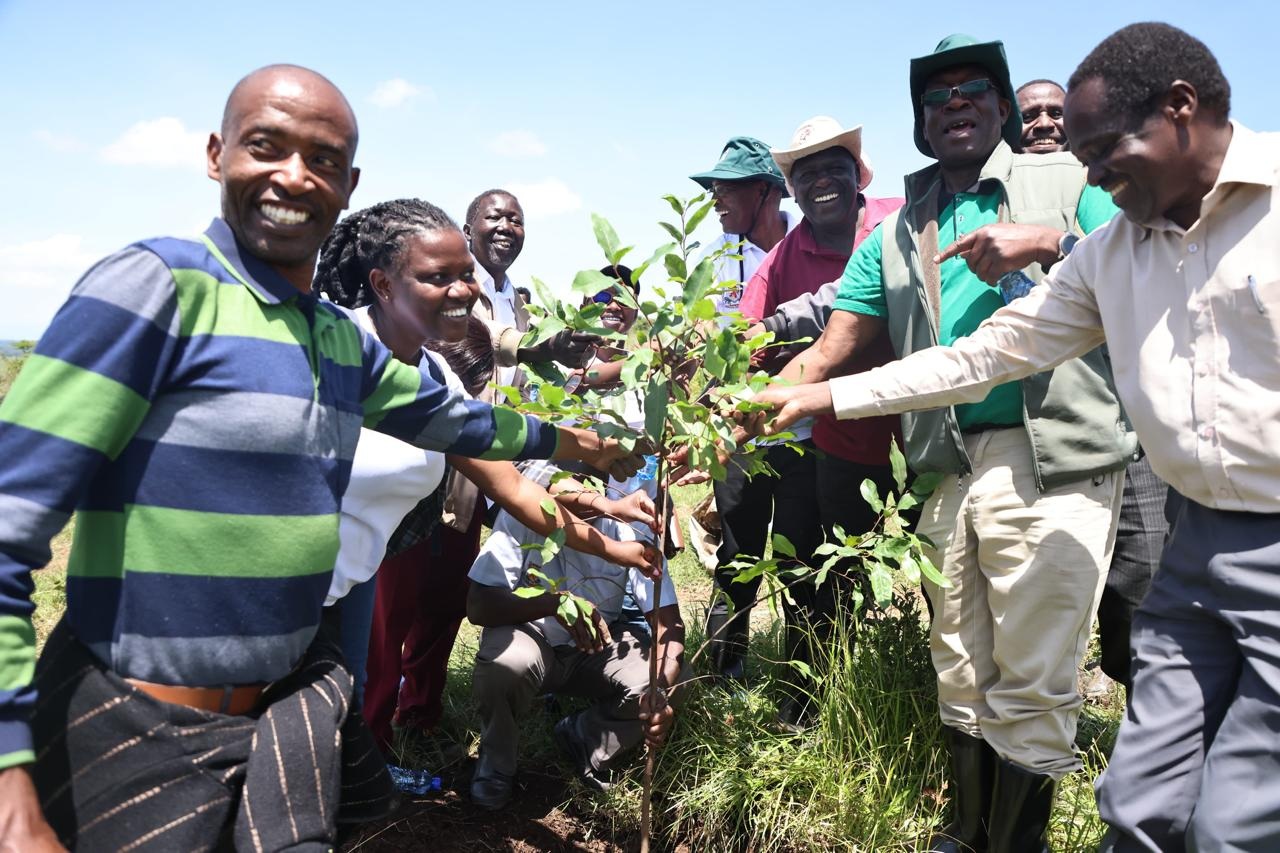
He noted that partnerships between public institutions are essential in advancing sustainability, climate action, and conservation efforts. The Secretary also commended Prof. Nzula Kitaka for coordinating the exercise from planning to implementation. The event brought together government officials, University leadership, staff, students, partners, and members of the local community. Among those present were Mokin, Deputy County Commissioner Njoro, Stanley Koech, Roseline Akidiva of KCB Egerton University Branch, and Dr. Stanley Rop, Chair of the Egerton University Alumni Association.
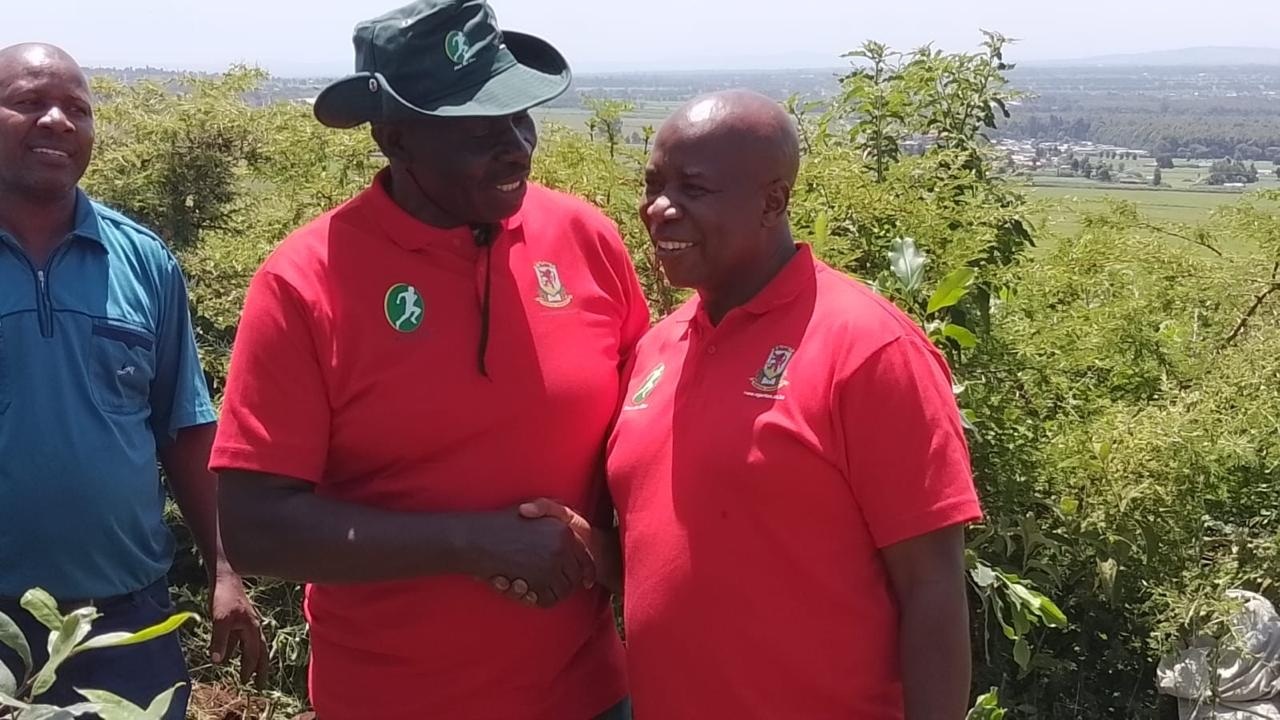
The exercise forms part of Egerton University’s broader commitment to environmental stewardship, institutional partnerships, and national development priorities. Other stakeholders in the tree planting were REREC - the Rural Electrification and Renewal Energy Corporation, TAGDev 2.0, Kenya Police, Njoro Sub-County Deputy Commissioner, the Njoro OCPD, BlueLine security company, Nakuru City Campus College led by Prof George Ogendi, KCB Bank donation of 2400 seedlings, Equity Bank seedlings support, Egerton University Alumni Association led by Chairman Dr Richard Rop, Egerton University students, Staff, University Management among others. Written by Musa Kurian & John Emeripus