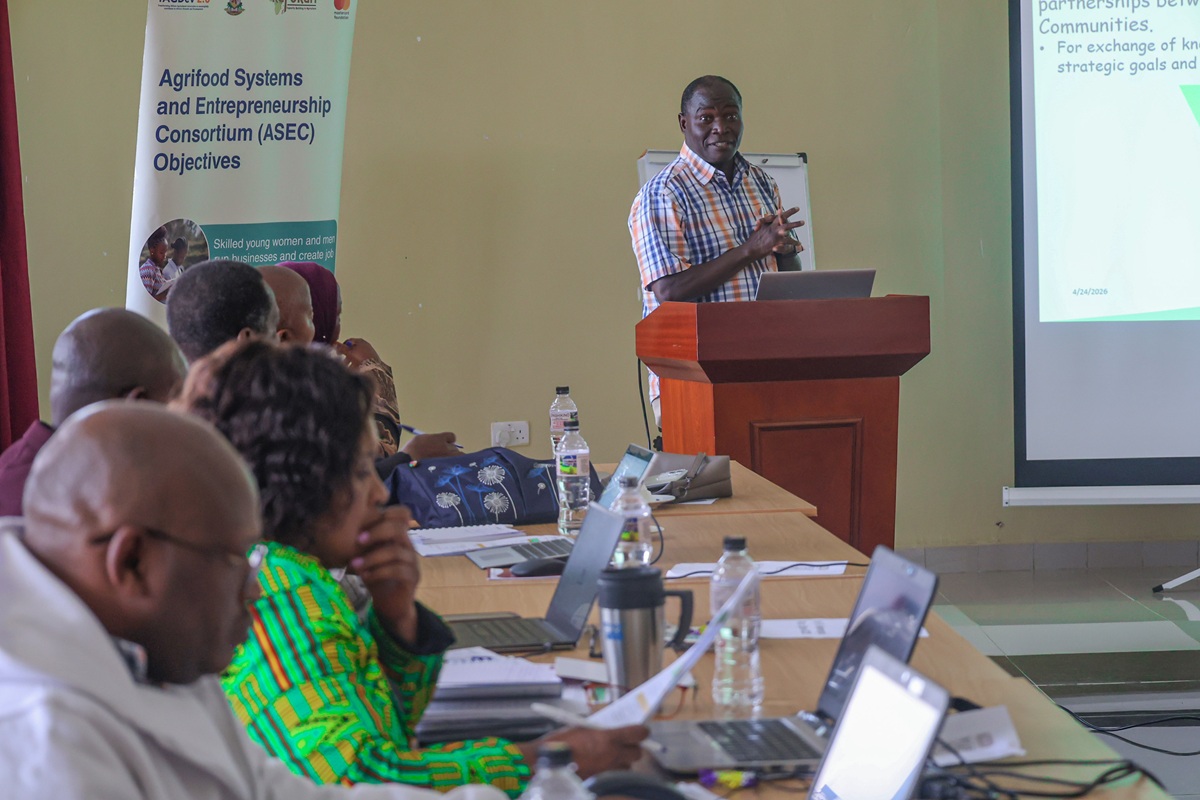




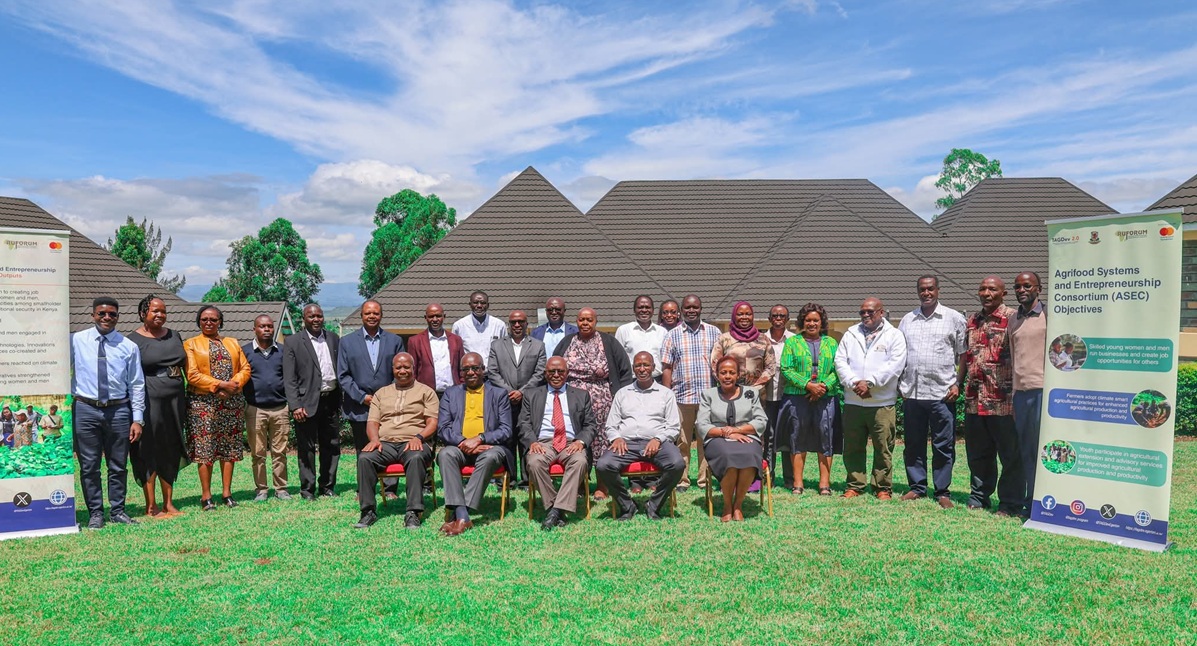
In line with the TAGDev 2.0 program’s commitment to institutional accountability, transparency, and alignment with university priorities, the program has organized a two-day high-level meeting bringing together members of the University Management Board (UMB) led by the Vice Chancellor Prof Isaac Kibwage, the Deputy Vice Chancellor Academic Research & Extension Prof. Bernard Aduda, the Deputy Vice chancellor Administration, Finance and Planing Prof. George Muthaa among other UMB members aimed to provide updates on program implementation progress and obtain strategic guidance from the Board. The engagement serves as an important platform for reflection, institutional alignment, and strengthening the program’s contribution to the university’s long-term transformation agenda.
The meeting, being held at Epashikino Resort and Spa, was formally opened by the Vice-Chancellor, Prof. Isaac O. Kibwage, who started the day off with a powerful call for institutional transformation and sustained commitment to impactful education. In his opening remarks, he reaffirmed the University’s dedication to the program, noting: “The TAGDev 2.0 Program stands as a critical pillar in advancing our mandate as a university in research, innovation, and community engagement.” He further emphasized that the initiative is key to driving meaningful societal change and aligning higher education with Africa’s development priorities.
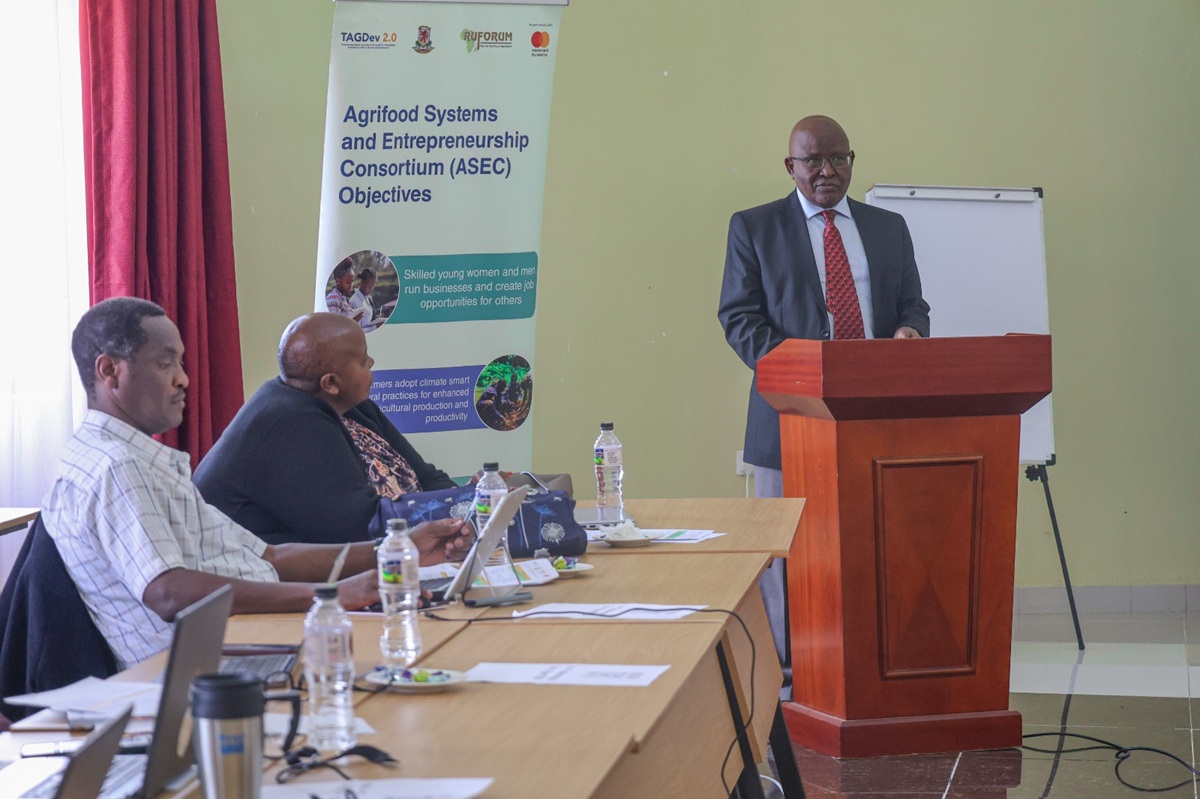
The TAGDev 2.0 Program, a continental initiative implemented across 15 African universities, continues to play a transformative role at Egerton University by strengthening agricultural education, promoting youth empowerment, and enhancing institutional capacity. Through interventions such as scholarships, curriculum reform, entrepreneurship development, and industry partnerships, the program is contributing to a more inclusive and responsive education system.
Day one of the meeting focused on key program updates, with the Program Coordinator Prof. Nancy Mungai presenting milestones, achievements, and ongoing activities. Discussions highlighted significant progress in curriculum transformation, experiential learning, and the integration of entrepreneurship into academic programs. Particular attention was given to the University’s transition towards Competency-Based Education (CBE), a model designed to equip graduates with practical skills and enhance employability. The program supported the review of 139 academic programmes, including 52 PhD and 87 Master’s programmes, to align them with Commission for University Education (CUE) requirements. In addition, 237 members of staff were capacity-built to support the university’s transition toward CBE, laying a strong foundation for full adoption by 2029.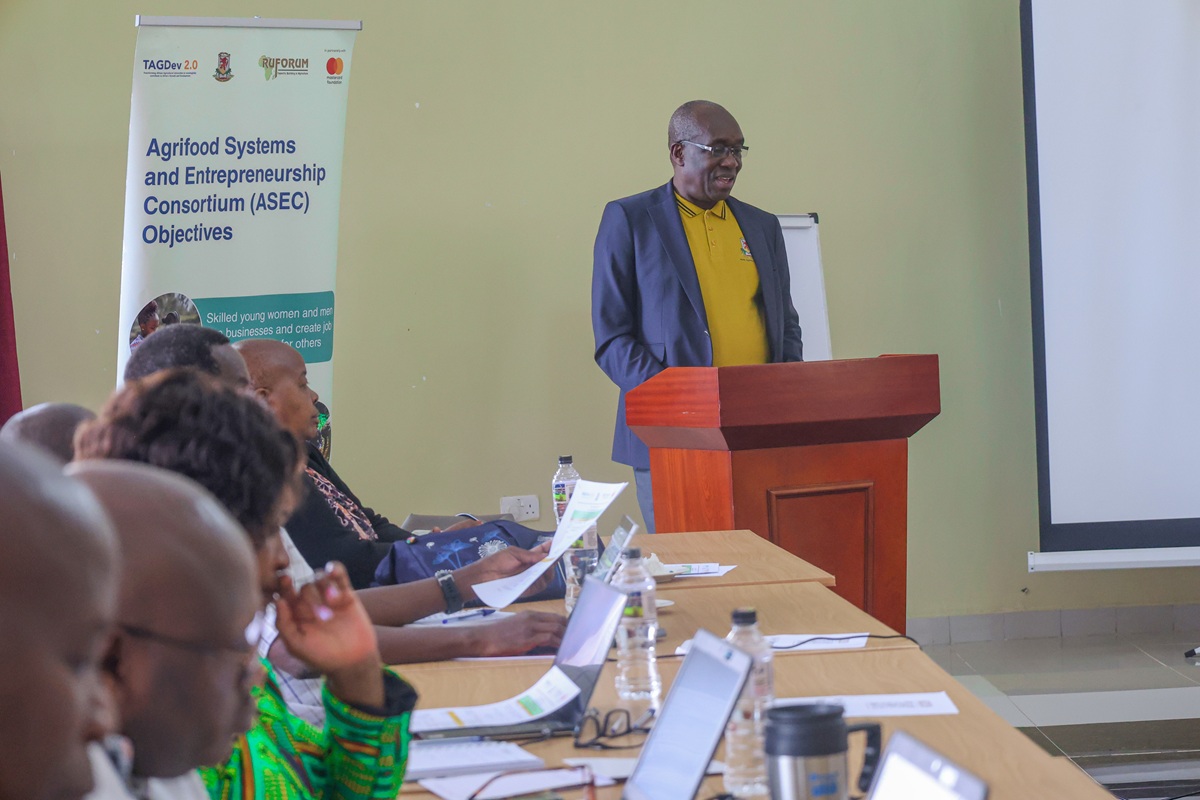
The meeting also highlighted major progress in strengthening institutional governance through policy development and implementation. TAGDev supported the development and review of seven key institutional policies aimed at enhancing transformative education and improving service delivery. These include the Curriculum Development and Review Policy, Field and Industrial Attachment Policy, Teaching Practice Policy, Safeguarding Policy, Inclusivity Policy, Entrepreneurship and Innovation Policy, and Career Guidance and Mentorship Policy. One policy has already been approved by the University Council, while several others are at advanced stages awaiting Senate approval. Participants engaged in critical conversations around the Policy Implementation Analysis Report, which sparked dialogue on strengthening governance frameworks, improving accountability, and ensuring that institutional policies effectively support program delivery.
The program’s strong commitment to inclusion and youth empowerment was also evident through scholarship recruitment and student support initiatives. TAGDev successfully recruited 64 students across Cohorts 1 and 2, achieving an inclusive composition of 70% females, 17% refugees and displaced persons, and 8% persons with disabilities. Comprehensive support systems including student orientation, mentorship, safeguarding training, psychosocial support, and 21st-century skills development were implemented to ensure student success and smooth academic transition. Students were also equipped with digital literacy, leadership, entrepreneurship, and financial management skills to prepare them for both academic excellence and future career opportunities.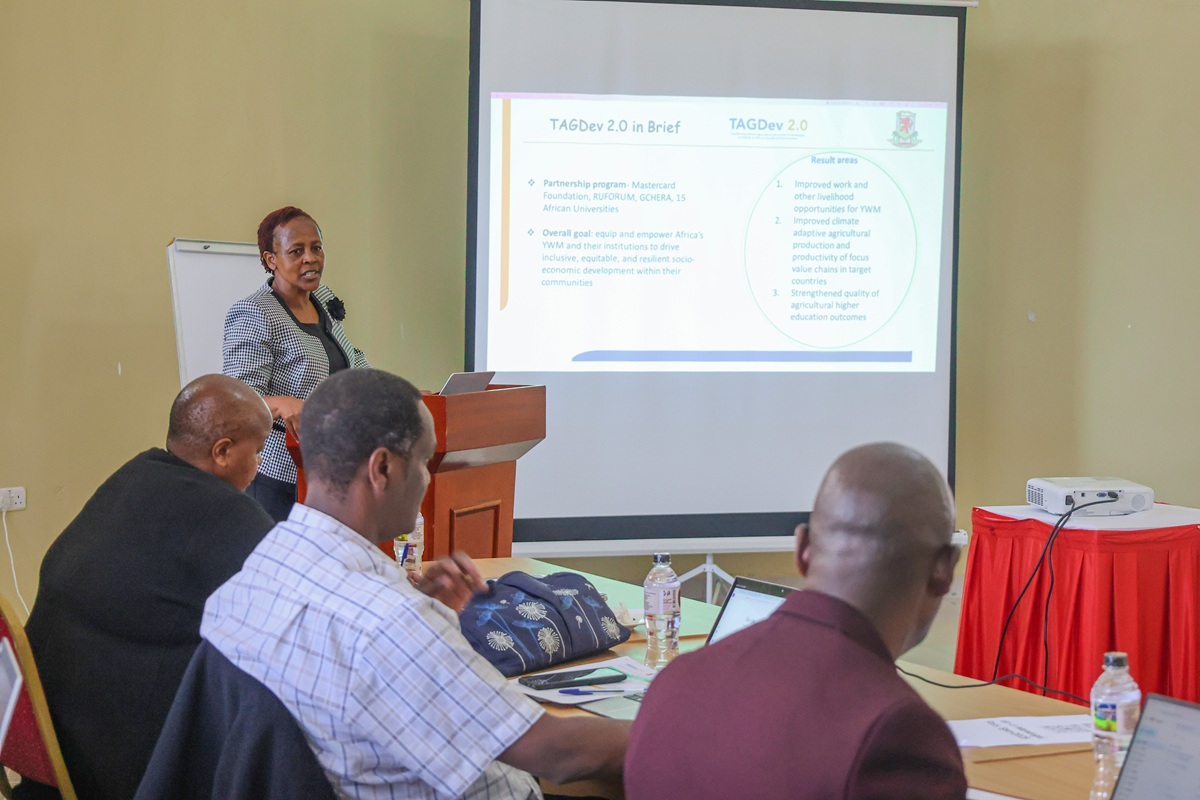
In collaboration with the Career Office and the Graduate School, the program further strengthened graduate readiness and workforce transition. Over 271 final-year students and 620 TVET learners were trained on job readiness skills including CV writing, interview preparation, workplace communication, and personal branding. The Graduate School also benefited from support in postgraduate orientation and policy review, aimed at improving supervision, academic integrity, and timely completion of graduate studies. These interventions reflect a holistic approach to institutional strengthening and student success.
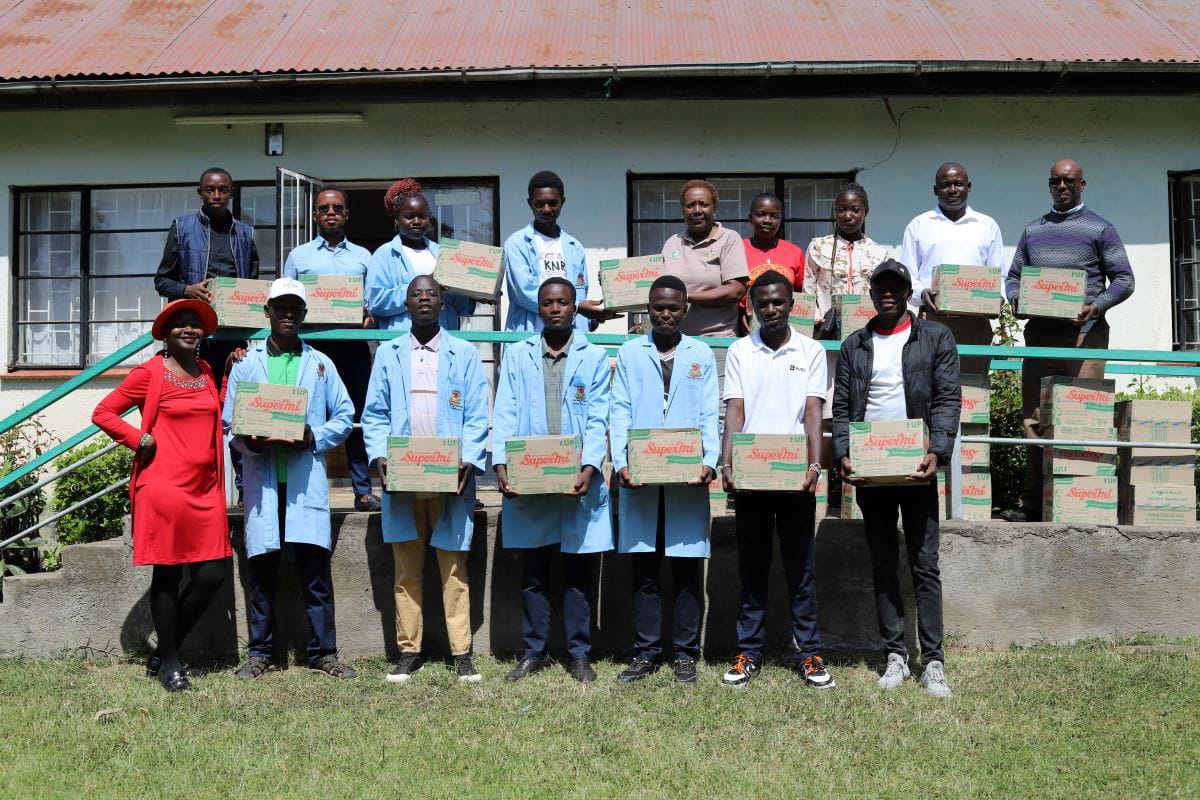
In addition, the meeting showcases the program’s broader community impact through the Agrifood Systems and Entrepreneurship Consortium (ASEC), implemented in partnership with three universities and three TVET institutions. The initiative has already created 393 job opportunities, supported the establishment of 16 startups, and skilled 2,245 out-of-school youth in agrifood entrepreneurship and livelihood opportunities. The project also engaged 28 cooperatives, validated and scaled 12 climate-smart agricultural technologies, and reached 2,750 farmers through training, extension services, and model farm demonstrations. These efforts continue to strengthen climate-adaptive agricultural production while promoting youth employment and food security.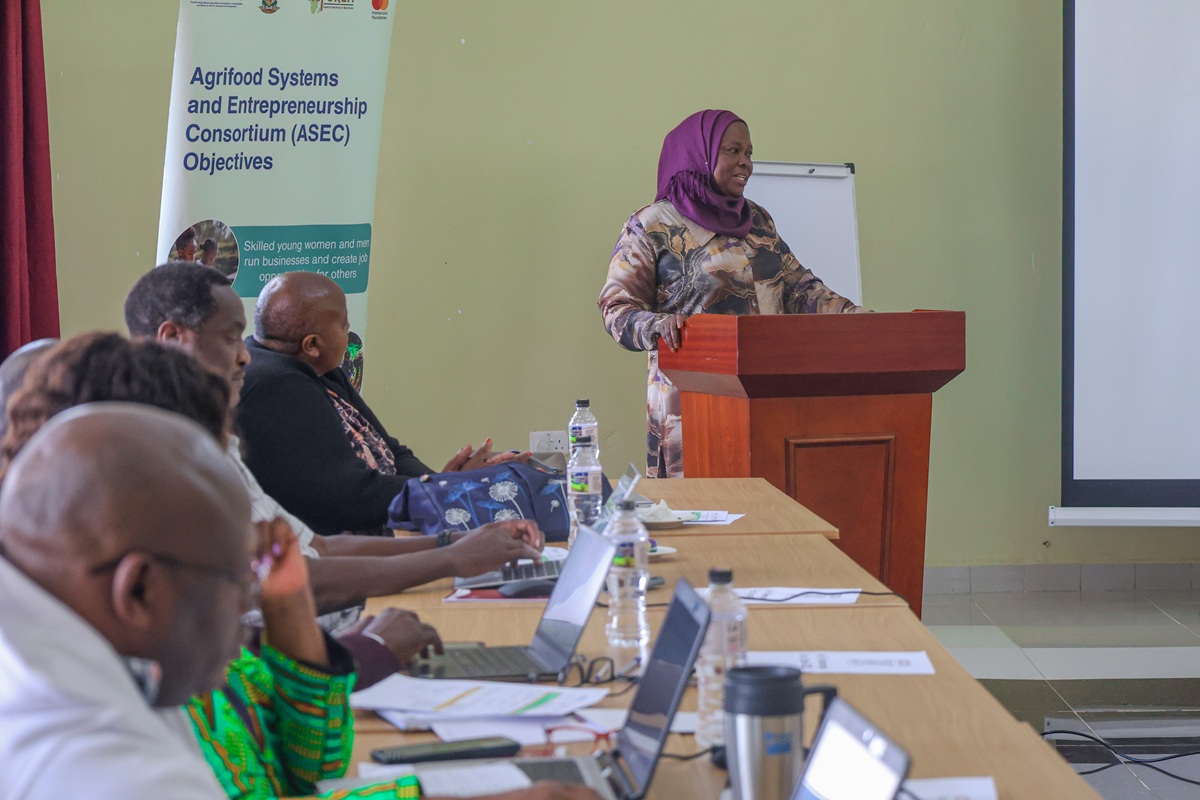
As the meeting progresses into its second day, focus will shift toward future planning, including the presentation of the 2026 deliverables and strategic guidance from the University Management Board. The discussions are expected to shape the next phase of TAGDev implementation, strengthen institutional ownership, and reinforce alignment with the University’s strategic priorities.
Overall, the ongoing engagement highlights Egerton University’s commitment to leveraging the TAGDev 2.0 Program as a catalyst for innovation, inclusion, and transformative impact in agricultural education and beyond. By strengthening policies, empowering students, supporting entrepreneurship, and enhancing institutional resilience, TAGDev continues to position the university as a leader in transformative higher education and sustainable development across Africa.