




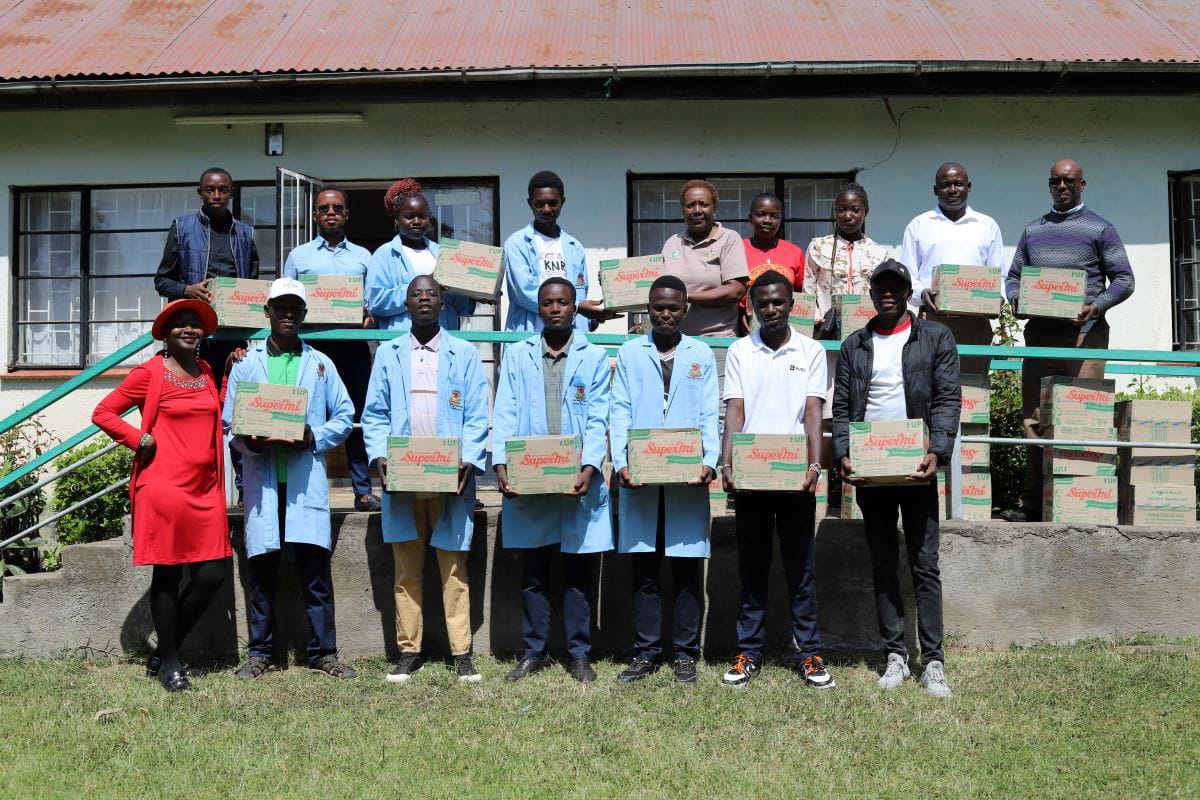

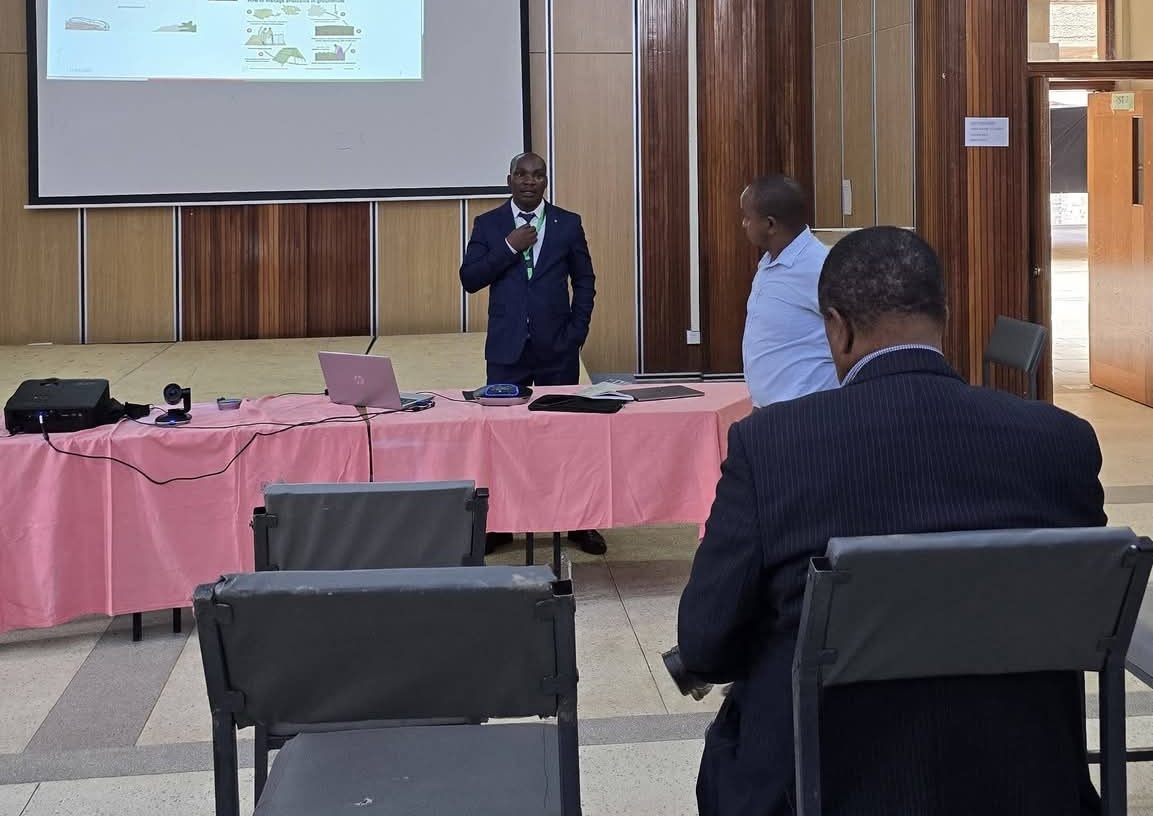
NAKURU, KENYA — Groundbreaking research unveiled at the Egerton University 16th Biennial International Conference has identified a paradoxical crisis in Kenya’s peanut sector: farmers are more informed and gender-equitable than ever, yet they remain trapped in a storage crisis that fuels toxic contamination.
The study, spearheaded by postgraduate researcher Ogutu Omori under the guidance of Conference Chairperson Dr. Miriam Charimbu and Prof. Paul Kimurto, warns that the "technical inertia" of traditional storage is undermining the country’s food security.

The Paradox: Knowledge vs. Infrastructure
The findings highlight a significant disconnect between farmer awareness and actual practice. While the agricultural community in Meru and Elgeyo Marakwet has embraced modern gender dynamics—moving toward joint household decision-making—the physical handling of crops remains stuck in the past.
The Gunny Bag Crisis:
A staggering 93.65% of farmers still rely on traditional gunny bags for storage.
The Aflatoxin Threat: These porous storage methods are the primary drivers for aflatoxin—a toxic fungi that not only spoils harvests but poses severe health risks and bars Kenyan produce from lucrative international markets.
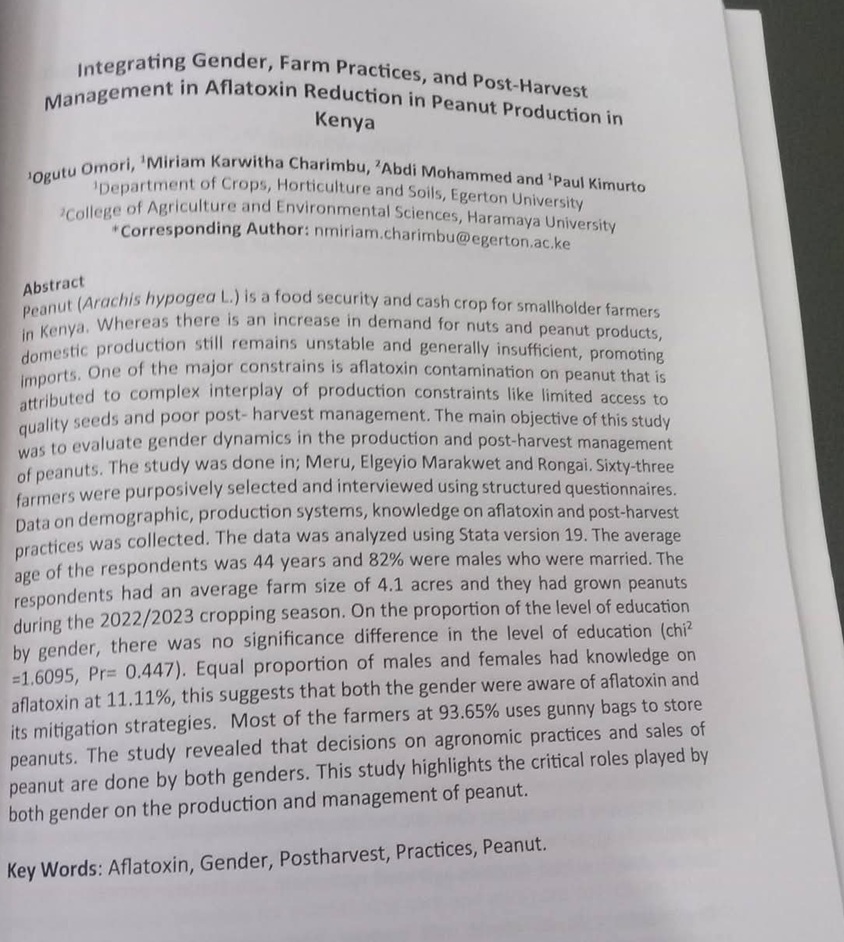
Gender Progress: Unlike many traditional value chains, the peanut sector shows a progressive trend where both men and women share influence over agronomic choices and sales.
A Socio-Technical Solution
The research underscores that eradicating aflatoxin is no longer just a biological hurdle; it is a socio-technical one. Despite high levels of farmer awareness regarding the dangers of mold, the lack of modern infrastructure remains a critical bottleneck."Eradicating aflatoxin requires aligning gender-equitable practices with modern infrastructure to secure the future of Kenyan peanut production," the study notes.By leveraging the existing framework of shared decision-making, the researchers argue that Kenya is in a unique position to implement systematic changes. If both genders are involved in the "sales and management" side of the farm, the adoption of airtight, hermetic storage technologies could be accelerated.
The Path Forward
To bridge this gap, the conference experts are calling for a shift in policy:Move Beyond Awareness: Education alone is insufficient; access to affordable, modernized post-harvest technology is the priority.
Infrastructure Investment: Transitioning from gunny bags to moisture-proof storage units to maintain market competitiveness.
Systematic Integration: Utilizing the progressive gender roles in Meru and Elgeyo Marakwet as a blueprint for rolling out technical training.
As Kenya seeks to fortify its agricultural exports, Omori’s work serves as a vital reminder that the strongest value chain is only as secure as the bags in which the harvest is kept.
Reported by Kurian Musa