


By Musa Kurian
More than 120 farmers from Kenya’s drylands gathered at the ICRISAT Kiboko Research Station in Makueni County to help shape the next generation of climate-resilient finger millet varieties during a Farmer Participatory Variety Selection (PVS) field day under the Biodiversity for Opportunities, Livelihoods and Development (BOLD) Project.
The event brought together 128 farmers, including 96 women and 32 men, alongside researchers, breeders, development partners and agricultural experts, highlighting the central role farmers play in developing crop varieties that respond to local needs, farmer preferences and the realities of a changing climate.
The BOLD Project is implemented through a partnership between ICRISAT, the Crop Trust, Egerton University and the Kenya Agricultural and Livestock Research Organization (KALRO). As a key partner in the initiative, Egerton University has contributed significantly to the project through crop breeding research, farmer-centered innovation and capacity building led by Professor Paul Kimurto, a renowned cereal breeder and seed systems expert. Working closely with ICRISAT, Prof. Kimurto and the Egerton University team have supported the development and evaluation of improved finger millet breeding lines, strengthening the integration of scientific research with farmers’ indigenous knowledge.
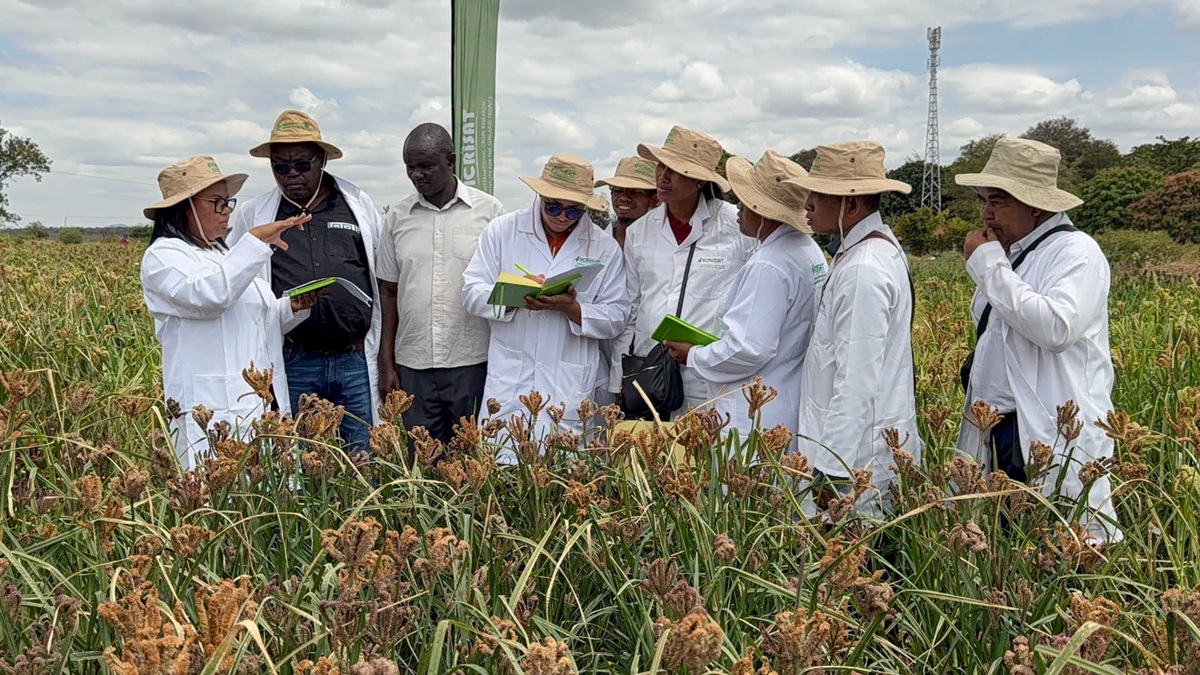
Researchers, breeders and farmers inspect finger millet trial plots during the BOLD Project field day aimed at developing drought-tolerant varieties for Kenya’s drylands.
During the field day, farmers evaluated different finger millet breeding lines based on traits such as drought tolerance, grain yield, maturity period, disease resistance, grain color and suitability for household consumption and local markets.
The participatory selection approach enables farmers to directly influence the breeding process by identifying varieties with the greatest potential for adoption in Kenya’s arid and semi-arid lands, where climate variability continues to threaten food security and livelihoods.
The BOLD Project is implemented through a partnership between ICRISAT, the Crop Trust, Egerton University and the Kenya Agricultural and Livestock Research Organization (KALRO).
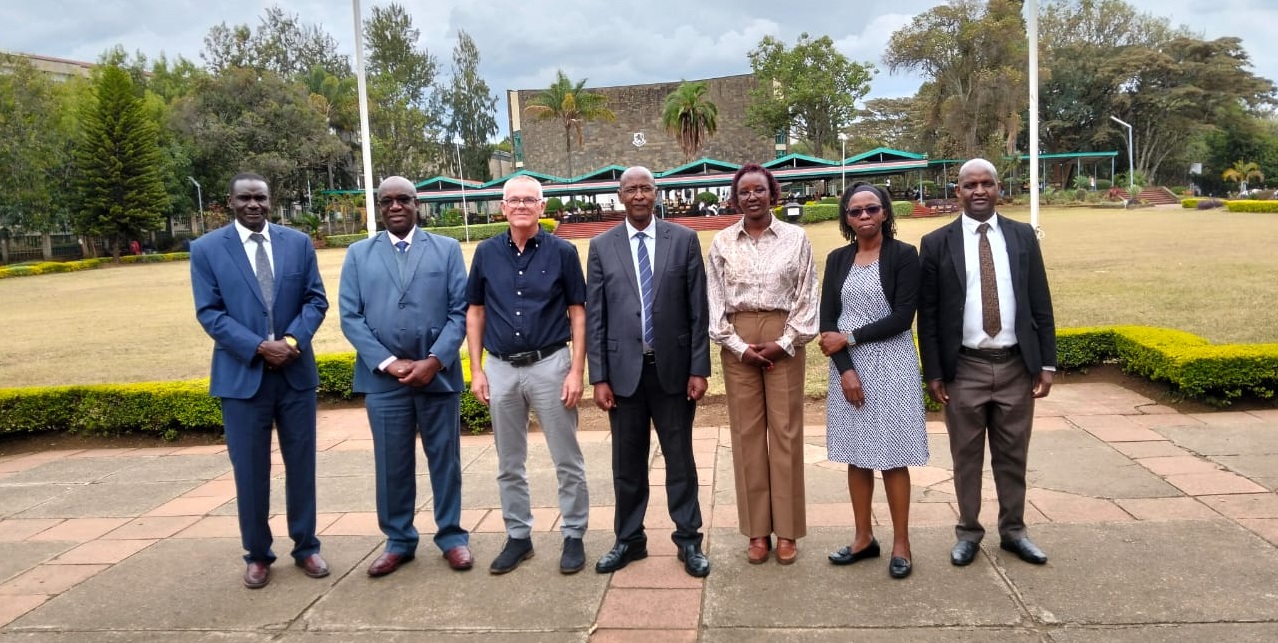
The event was attended by Dr. Shivali Sharma of the Crop Trust, Prof. Paul Kimurto of Egerton University, Dr. Henry Ojulong of ICRISAT and Dr. Chrispus Oduori of KALRO, alongside other project partners and stakeholders.
Researchers said farmer feedback will be incorporated into the breeding programme to accelerate the development of improved finger millet varieties that are resilient, productive and adapted to dryland farming systems.
The initiative is expected to strengthen climate resilience, enhance food and nutrition security, and expand livelihood opportunities for smallholder farming communities across Kenya’s dryland regions.
The Writer is a Communications Officer, Directorate of Marketing and Resources Mobilisation
email: