


Egerton University has reaffirmed its commitment to strengthening research quality, integrity and competitiveness through a capacity-building training programme on research ethics and proposal writing aimed at enhancing researchers' capacity to develop credible, competitive and impactful research proposals.
The training was organised by the University's Directorate of Research and Extension, headed by Prof. George Owuor, as part of ongoing institutional efforts to strengthen research capacity, promote responsible research practices and improve the quality and success of research proposals.
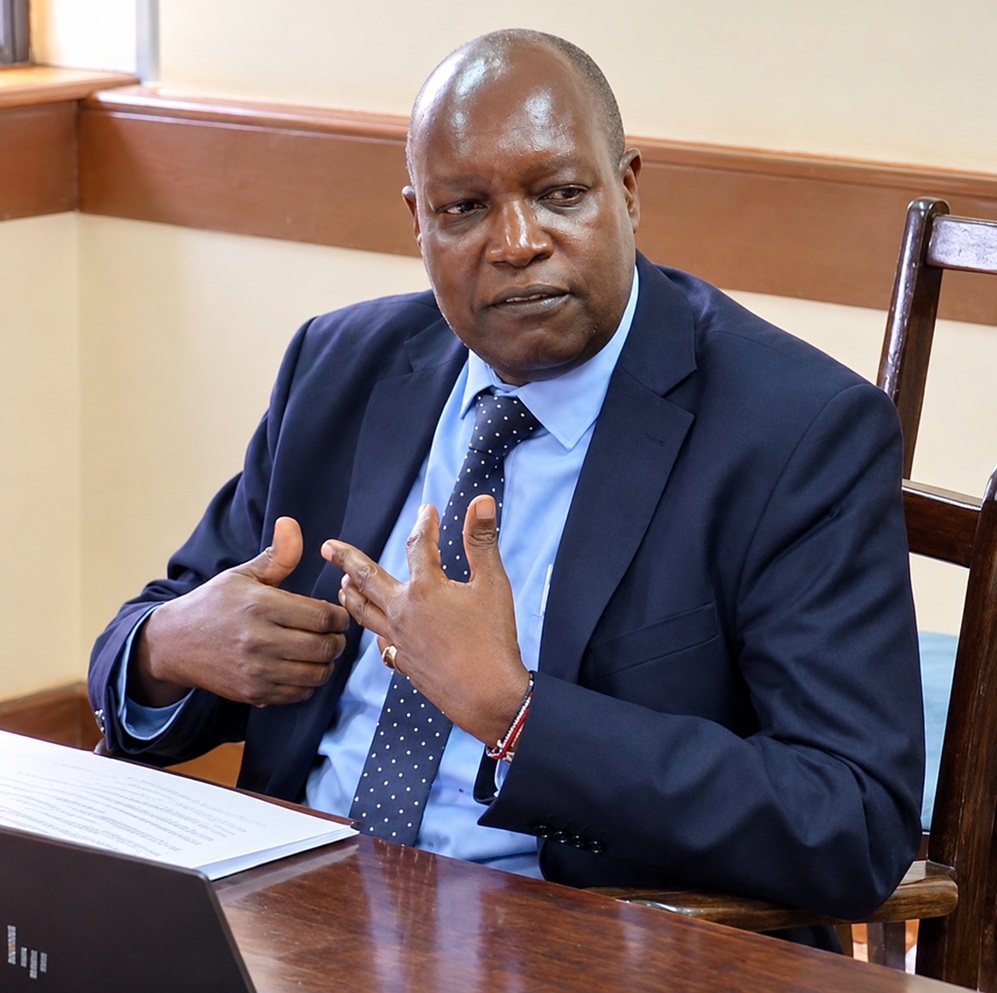
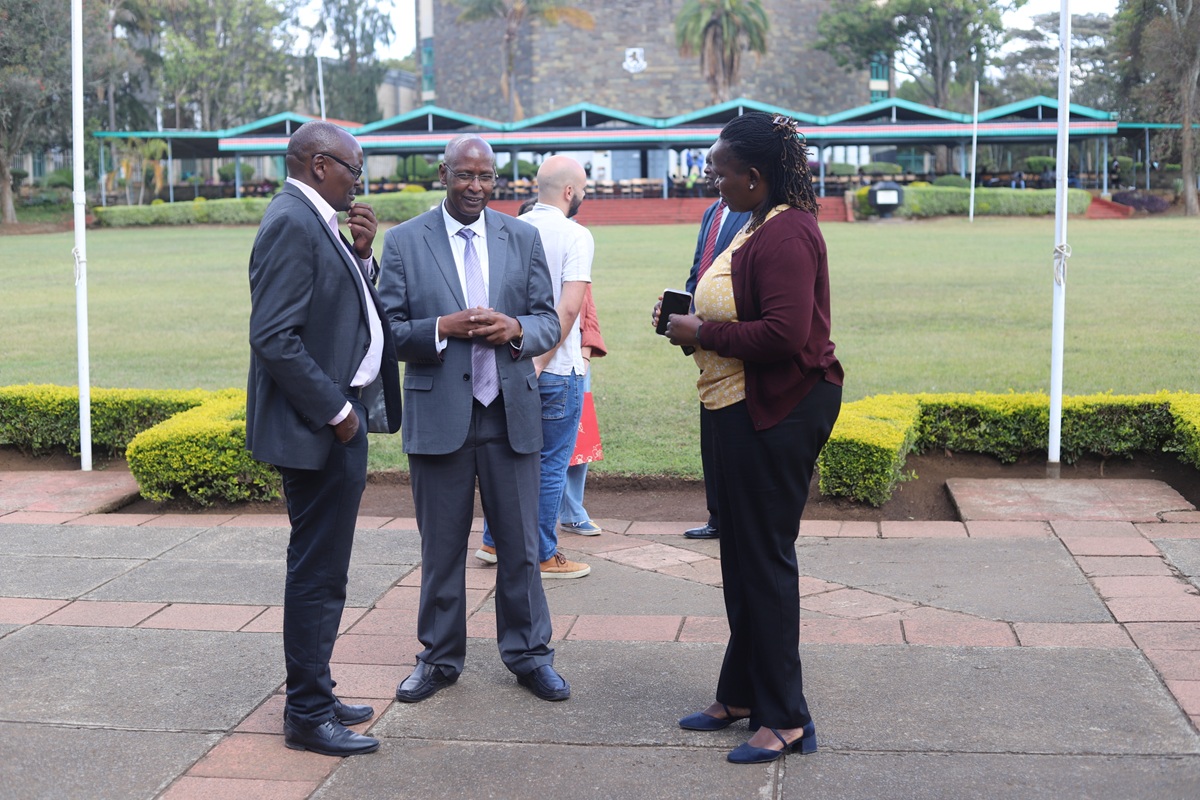
Acting Deput Vice-Chancellor (Administration, Finance and Planning), Prof. Julius Kipkemboi, addresses participants during the research ethics and proposal writing training at Egerton University. Prof. Kipkemboi urged researchers to uphold ethical standards, scientific integrity, and align their work with societal needs.
The programme brought together expertise and institutional perspectives from key national research and funding organisations, including the National Research Fund (NRF), represented by Dr. Teresia Nyawera, and the Kenya Agricultural and Livestock Research Organization (KALRO), represented by Dr. Jack Ouda.
The engagement provided participants with an opportunity to deepen their understanding of research ethics, proposal development, scientific writing and the importance of aligning research initiatives with national development priorities and societal needs.
A central focus of the training was the need for researchers to uphold ethical standards throughout the research process. Participants were encouraged to ensure integrity, accountability, transparency and compliance with established research guidelines, recognising that credible research must be founded on sound ethical principles.
The sessions also emphasised the importance of developing well-structured, evidence-based and competitive research proposals capable of attracting funding while addressing practical challenges in society. Researchers were encouraged to strengthen their scientific writing skills, clearly articulate research objectives and demonstrate the relevance, feasibility and expected impact of their proposed projects.
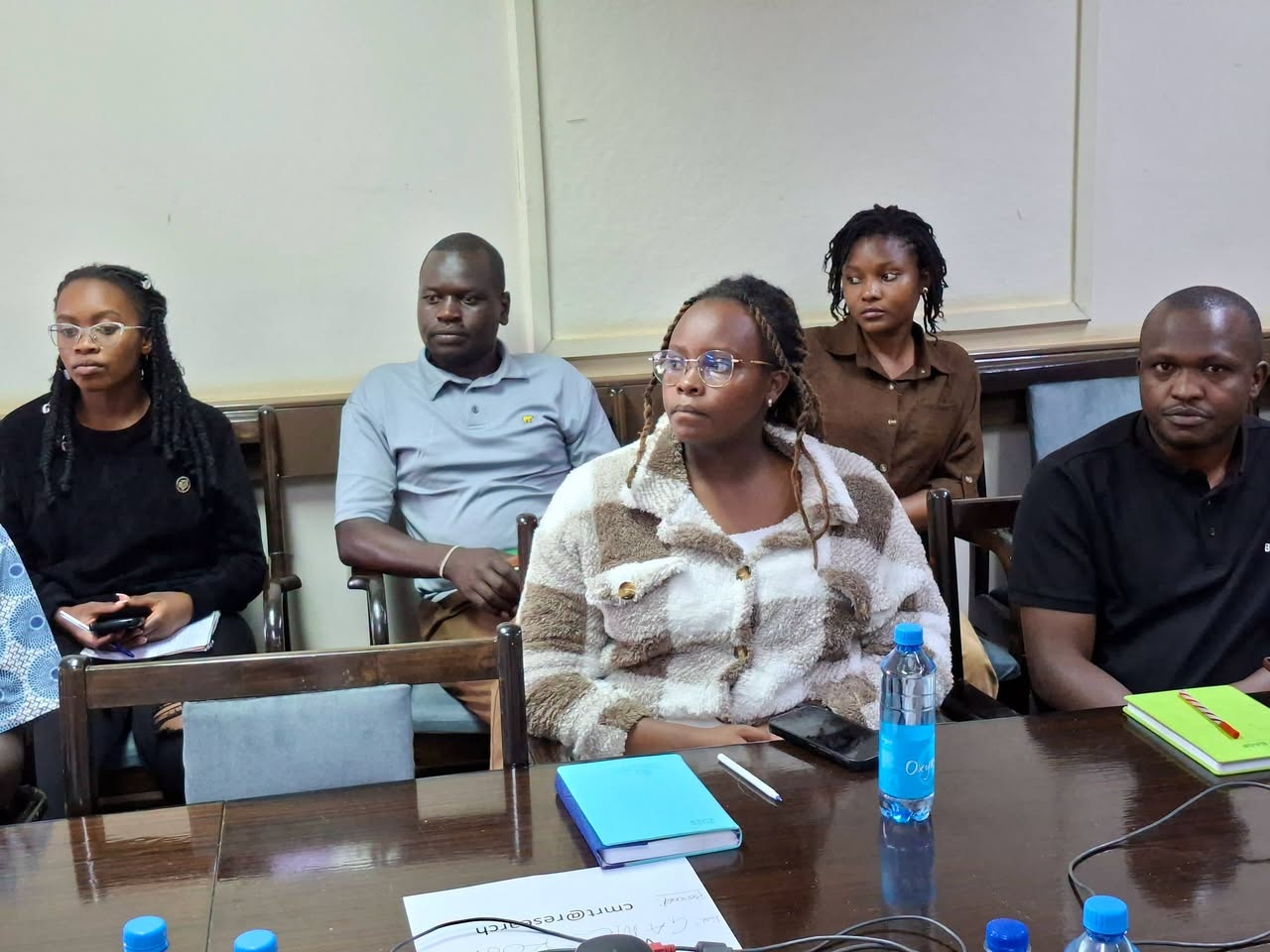
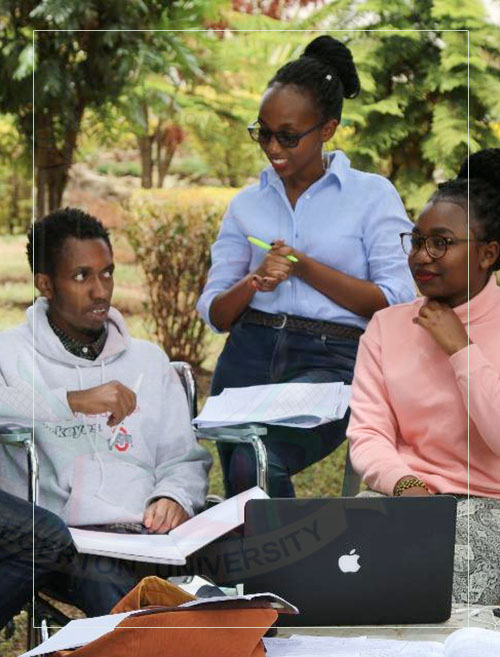
Participants follow deliberations during the training organized by Egerton University's Directorate of Research and Extension. The session focused on research ethics, scientific writing, and developing competitive research proposals.
In his closing remarks, Acting Deputy Vice-Chancellor, Administration, Finance and Planning, Prof. Julius Kipkemboi, called on researchers to embrace ethical research practices and translate the knowledge gained into improved research performance.
He observed that research should go beyond the production of academic publications and contribute meaningfully to the advancement of knowledge, institutional development and the resolution of societal challenges.
Prof. Kipkemboi emphasised that adherence to established research ethics and guidelines was fundamental to safeguarding the credibility, reliability and integrity of research outcomes.
He expressed optimism that the training would contribute to improved research activities at the University, particularly in developing competitive proposals, strengthening research partnerships and promoting research that responds to societal needs.
He further acknowledged the contributions of the facilitators and participating institutions, noting the importance of sustained collaboration in building institutional research capacity.
The training reflects Egerton University's continued commitment to strengthening its research and innovation agenda, expanding strategic partnerships and positioning its researchers to compete effectively for research funding while delivering solutions to contemporary development challenges.
John Emeripus,
Communication Manager,
Egerton University.