





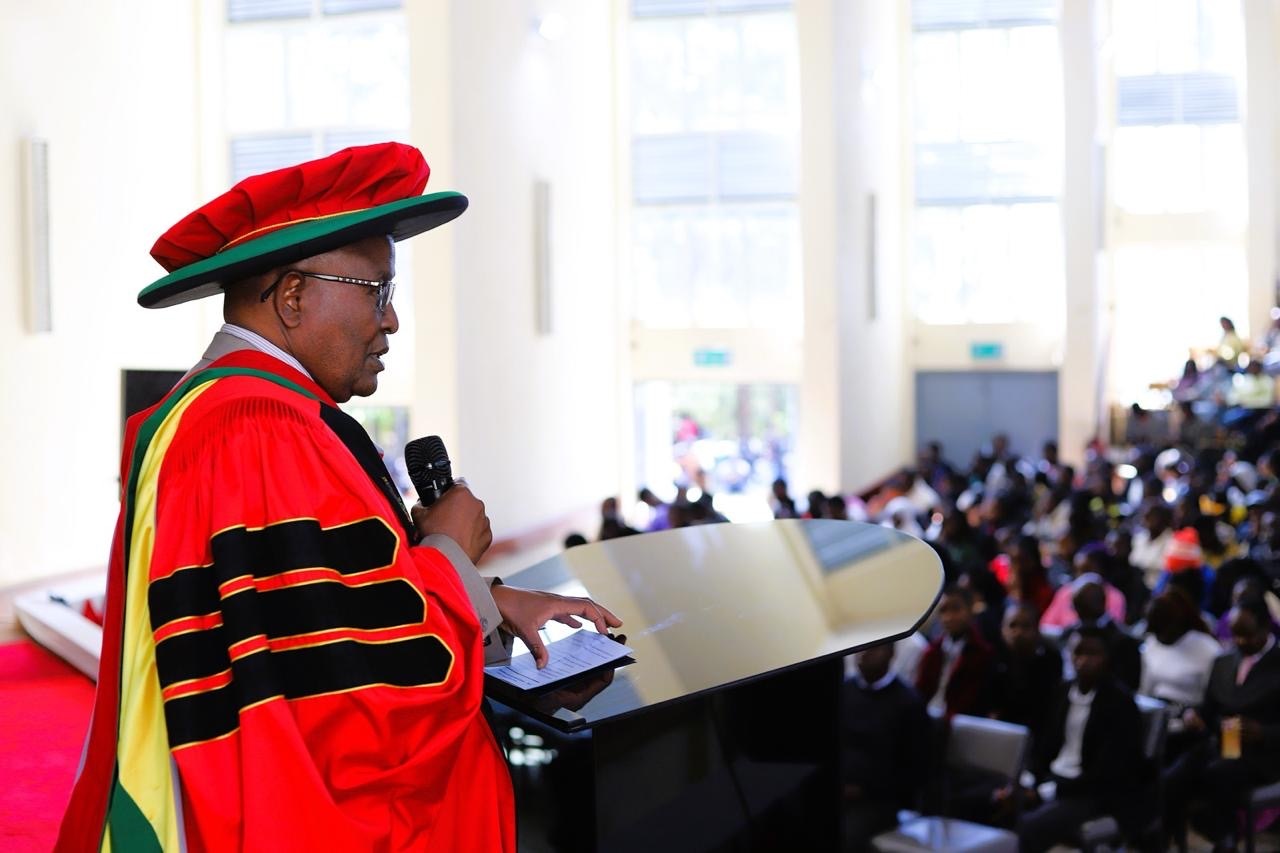
Prof. Isaac O. Kibwage: Reflecting on a Journey of Resilience, Reform and Renewal at Egerton University
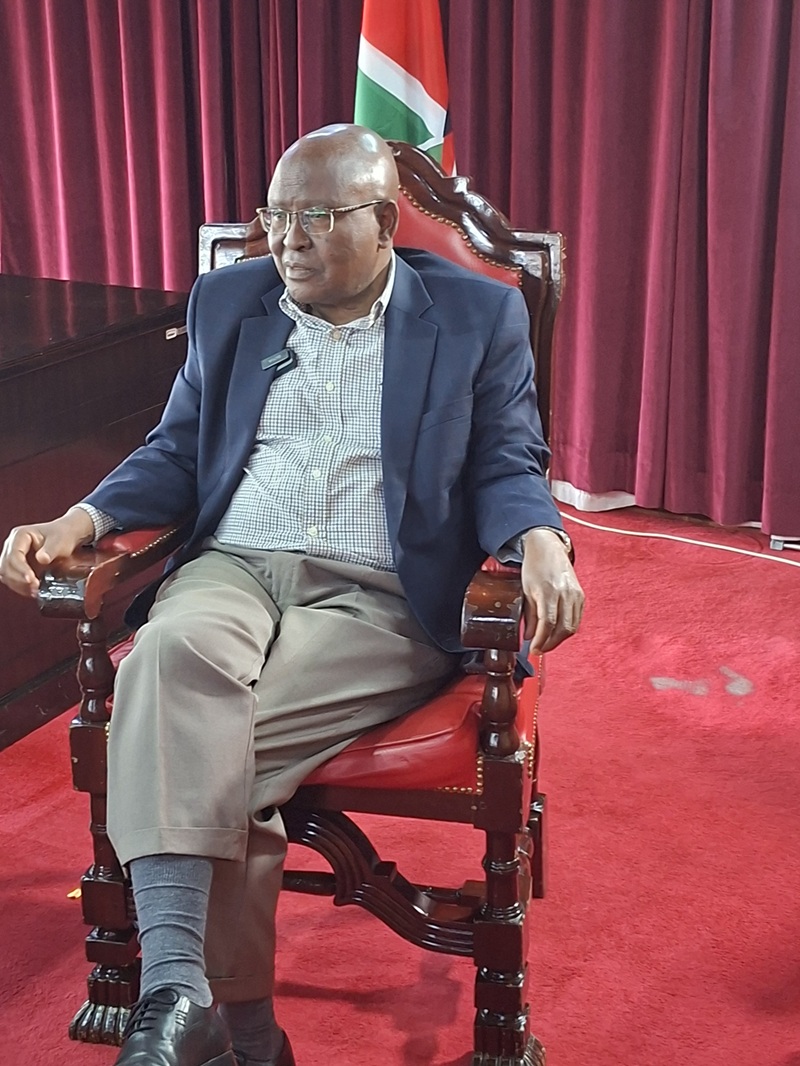
Prof. Isaac O. Kibwage: Reflecting on a Journey of Resilience, Reform and Renewal at Egerton University Nakuru, Kenya | 3 October 2026 By John Emeripus After nine years in Egerton University’s senior management, Prof. Isaac O. Kibwage reflects on his journey at the University—a period he describes through the experiences, challenges, difficult decisions, personal sacrifices and institutional transformations that shaped his leadership. In an interview, yesterday 2nd October 2026 at Main Campus, reflecting on his tenure, Prof. Kibwage offers a candid account of his journey, beginning with his arrival at Egerton in May 2017 from the University of Nairobi, where he had served as Principal of the College of Health Sciences. He initially joined Egerton as Deputy Vice-Chancellor, Administration, Planning and Development, a position he held for approximately three and a half years before assuming the Vice-Chancellorship in late 2020.
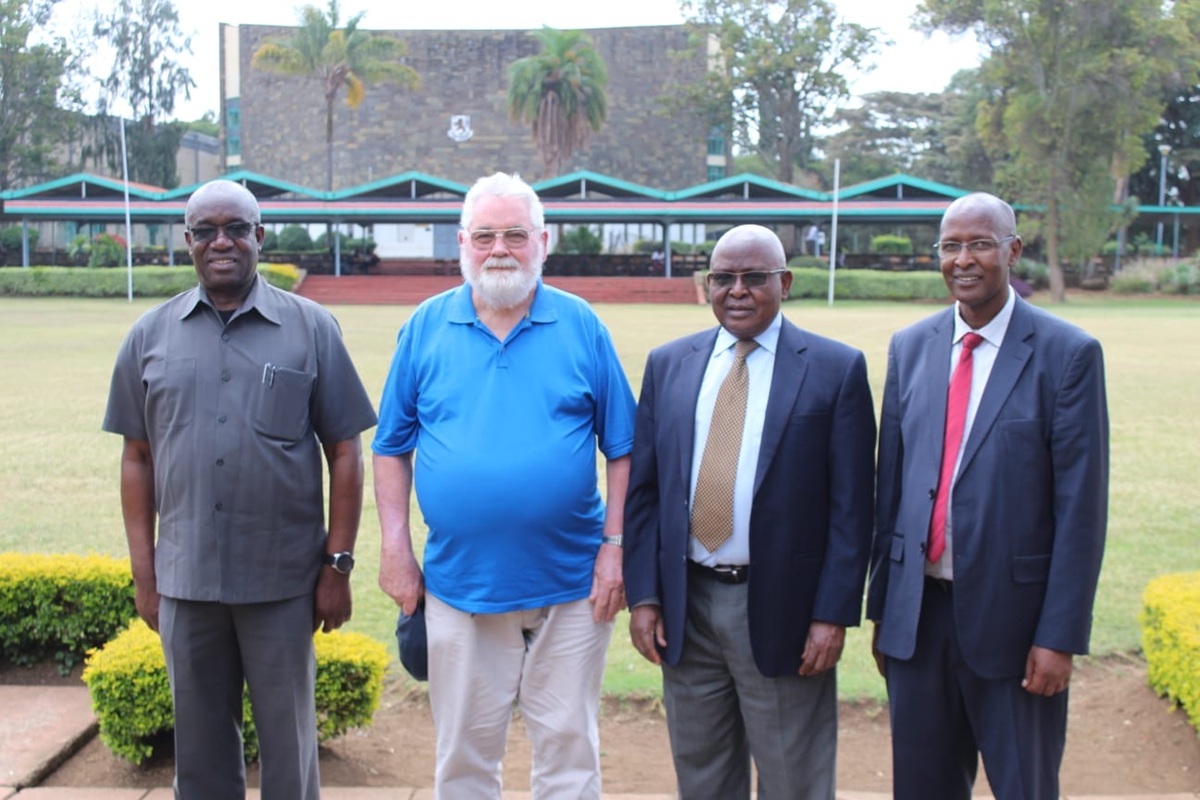
Looking back, Prof. Kibwage describes his journey as one that unfolded against a challenging institutional environment. At the time, Egerton was facing significant financial and operational pressures, including accumulated debts, salary arrears, constrained government funding and increasing expenditure. Accordingly, the responsibility was not simply to manage available resources, but to help sustain the University's operations, protect its academic mandate and navigate difficult circumstances while maintaining confidence among staff, students and other stakeholders. As Vice-Chancellor, Prof. Kibwage says his administration introduced a range of measures aimed at strengthening financial discipline and institutional sustainability.
These included expenditure controls, restrictions on staff replacement, institutional rationalisation, prioritisation of salary payments and intensified efforts to mobilise additional resources. He acknowledges that some of these decisions were difficult and attracted criticism, but explains them within the context of the financial realities confronting the University and the need to maintain its essential operations. One of the most difficult experiences he recalls was the challenge of meeting the University's salary obligations. At one point, the institution was unable to meet the full salary bill and paid approximately 75 per cent of salaries. The matter subsequently went to court after unions sought full payment. Although the court ordered the University to pay the full salaries, the institution faced financial constraints in implementing the order, resulting in contempt proceedings against the University Council. For Prof. Kibwage, the experience represented more than an administrative or legal challenge. It also carried a significant personal and emotional burden. In his reflection, he recalls the difficulty of leading the institution through circumstances in which the demands placed upon the University exceeded the resources available. His journey was also characterised by efforts to strengthen the University's physical infrastructure and institutional capacity. He points to improvements in water security through deeper boreholes, rehabilitation of hostels, lecture theatres and other facilities, refurbishment of furniture and initiatives to address the long-standing challenge of asbestos-containing materials in some University buildings.
He also recalls government support towards the development of an international research centre in genetic engineering and biotechnology, which he views as part of the University's continuing contribution to research, innovation and national development. Beyond institutional programmes and administrative decisions, Prof. Kibwage's reflection brings out the human side of leadership. He speaks about criticism, difficult institutional relationships, legal challenges and the effect of prolonged pressure on his personal and family life. He also recalls turning to faith during some of the most difficult moments of his journey. Prayer, he explains, became an important source of strength and perspective as he navigated the pressures associated with leading a public university. For Prof. Kibwage, the central lesson from his journey is “resilience”. He describes resilience as the ability to continue moving forward despite setbacks, to make difficult decisions when circumstances demand them, to work within available resources and to remain focused on the long-term interests of the institution. His reflection also underscores his view that leadership is not always about having immediate solutions to every problem. Rather, it involves making the best possible decisions within prevailing circumstances while creating conditions for those who follow to continue the work. Looking back at his nine years at Egerton, Prof. Kibwage therefore presents his journey as one of challenge, responsibility, reform, sacrifice and renewal.
From his arrival in 2017 as Deputy Vice-Chancellor, through his assumption of the Vice-Chancellorship in late 2020, to the conclusion of his tenure in 2026, he describes a period that tested both institutional leadership and personal endurance. As he prepares to leave office, Prof. Kibwage's reflection is ultimately about continuity. He acknowledges that the challenges facing Egerton will continue to require attention, while the progress made during his tenure provides a foundation upon which future leadership can build. His account is, therefore, not simply a record of positions held or decisions made. It is his personal analogy of a leadership journey at Egerton University—one shaped by difficult circumstances, institutional responsibility, personal sacrifice, faith and, above all, resilience and a determination to keep the University moving forward.
John Emeripus
Communication Manager Egerton University