




Egerton University NewsLink Magazine & Journals
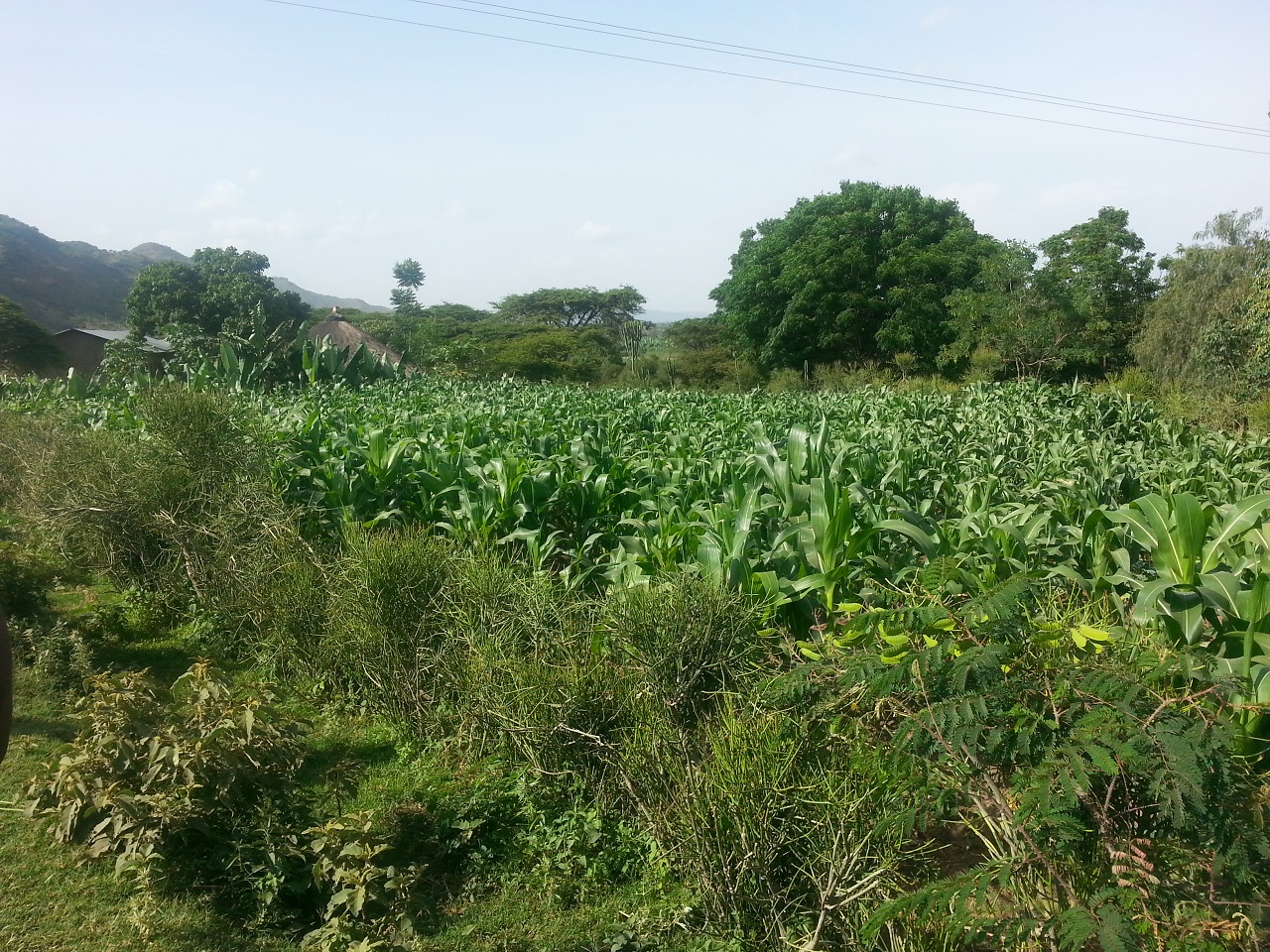
In the picturesque landscapes of rural Kenya, smallholder farmers are embarking on a journey towards sustainable agriculture. Armed with determination and resilience, they are weaving together a tapestry of practices aimed at enhancing crop yield while safeguarding precious soil fertility. Yet, amidst this noble endeavor, a crucial question lingers: What factors drive the adoption of these sustainable practices, and what are their real-world impacts?
Enter a team of researchers: Gideon Aiko Obare (Egerton University, Kenya), Wilckyster Nyateko Nyarindo (University of Embu, Kenya) Amin Mugera and Atakelty Hailu (University of Western Australia, Australia), and Their complex yet insightful study, published in a prestigious Agricultural Economics journal, offers a glimpse into the intricate dynamics of sustainable agricultural intensification (SAI) adoption among smallholder maize-legume producers in Kenya.
Through a meticulous three-wave panel survey, the researchers delve deep into the adoption patterns and outcomes of ten SAI practices, clustered into five distinct groups. Employing sophisticated statistical models, they dissect the plot-level choices of farmers, shedding light on the underlying factors driving adoption decisions.
What emerges from their analysis is a nuanced portrait of smallholder farming realities. Factors such as the frequency of extension contacts, farm labor availability, household wealth, and the education level of household heads emerge as pivotal influencers, positively shaping the adoption of SAI practices.
Conversely, challenges such as land tenure insecurity and poor soil quality cast a shadow, highlighting the complex interplay of socio-economic and environmental factors at play.
But the study's insights extend beyond mere adoption trends. By employing a multinomial endogenous treatment effects model, the researchers uncover a kaleidoscope of outcomes across the five SAI clusters.
From variations in crop yield and revenue to fluctuations in total variable costs and net income, the study paints a vivid picture of the diverse impacts of sustainable farming practices. Importantly, these impacts are not uniform, varying according to crop systems, geographical regions, and cropping years.
However, amidst this variability lies a glimmer of hope. The study challenges the notion of a one-size-fits-all extension approach, advocating instead for participatory policies that empower farmers to co-create and disseminate locally adaptable SAI bundles.
By tailoring interventions to suit the unique needs and preferences of each community, policymakers and extension agents can unlock the full potential of sustainable agriculture.
Indeed, the implications of this research are profound. As the global community grapples with the twin challenges of food security and climate change, initiatives that empower smallholder farmers to embrace sustainable practices take on added significance.
With insights gleaned from studies such as this, stakeholders are better equipped to chart a course towards a more resilient, equitable, and environmentally sustainable agricultural future.
Story by: Kurian Musa, Egerton University.
Email:
BY ERIC SINDABI
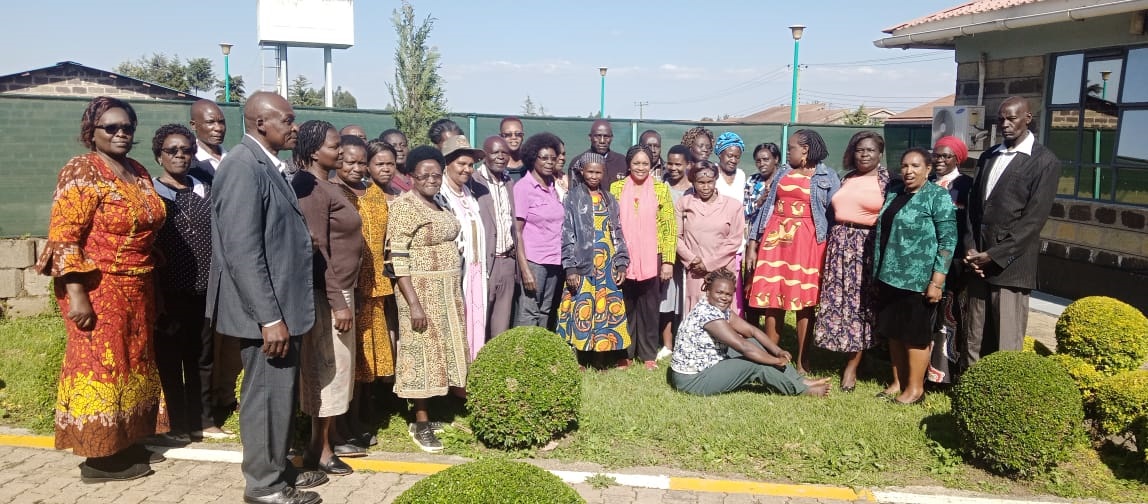
Supporting colleagues’ morally, socially and financially is a noble gesture. This was observed during the colourful 20th Annual General Meeting of the Egerton University Library Staff Welfare Association held on December 8th 2023 at the CoELIB Conference Hall.
Patron of the welfare, the University Librarian, Mrs Janegrace Kinyanjui urged the members to consider uplifting the welfare’s objectives to a higher level through ample savings and sincere commitment. She noted that it was important for the members to continue supporting each other because as colleagues, they are like a family.
The patron further encouraged the welfare members to cultivate an avid savings and borrowing culture through the welfare’s savings and credit scheme to uplift the financial sustainability and liquidity status of the welfare. She however cautioned the members against defaulting borrowed money because it was unethical to refuse to repay borrowed money from anyone or public entity.
The Chairperson of the group Mr.George Kira while thanking the patron and members for their continued support for the continuity of the welfare, observed that the activities of the welfare had drastically been affected by the unprecedented financial challenges that gripped members and the University since the year 2020 Covid 19 pandemic devastative effects.
“This peculiarity devastated members and interfered with their financial obligations including contributing to their savings scheme and loans repayments to the welfare’’ said the Chairperson adding that the welfare management discussed with the affected members on a personal level where some pledged to differ their savings contributions and loan repayments.
Thirty members out of the current fifty two graced the occasion while the occasion was also used to host a send-off party to four members who recently retired from the University. Egerton University Staff Welfare Association was mooted in the year 2003 as a social welfare group. Its objectives include offering moral and social support to members while engaging in small scale savings, credit and investment activities.
Members come together to support sick or bereaved members morally and financially and also support and encouragement to members holding social functions like graduation, marriage, ‘house-warming’ and other individual ceremonies. The welfare conducts its financial operations through a savings account at the Egerton University Savings and Credit Cooperation.
By Naomi Chebiwot Chelanga and Carolyne Nafula Kisaka, Doctoral Scholars at Egerton University, Department of Agricultural Economics and Agribusiness Management.
In a remarkable stride towards academic enrichment and cross-cultural exchange, we, Naomi Chebiwot Chelanga and Carolyne Nafula Kisaka, are elated to announce our selection for a prestigious 4-month scholarship at the University of Pavia under the esteemed Erasmus+ International Credit Mobility K171 program.
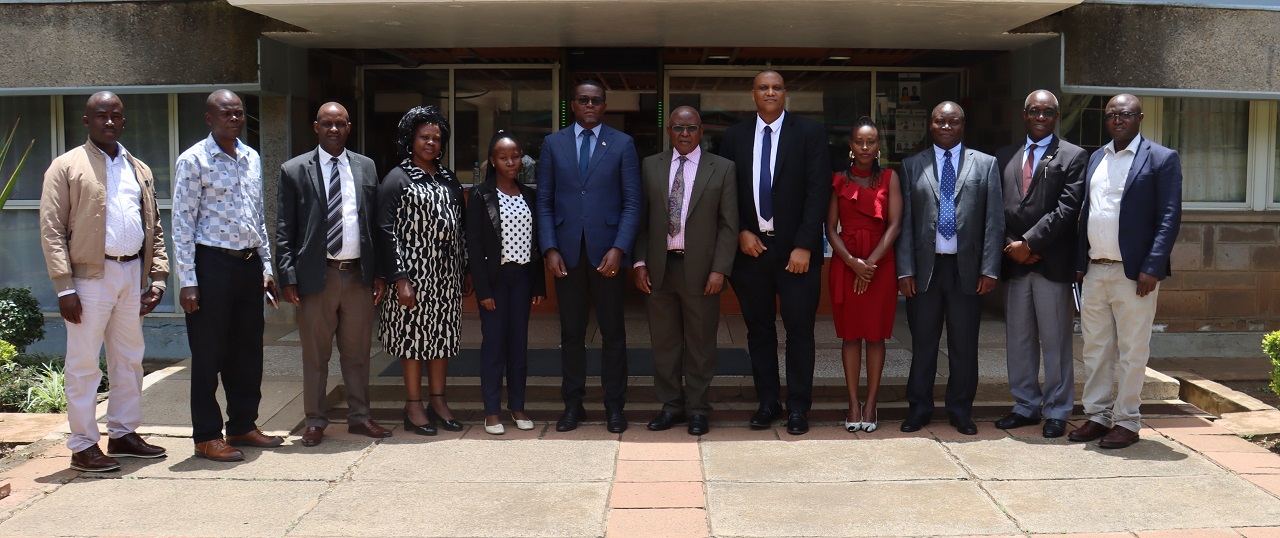
Egerton University played host to a delegation from Seychelles led by the Minister of Agriculture, Climate Change, and Environment, Mr. Flavien Joubert, on February 27, 2024. The visit aimed at exploring avenues of partnership between the two entities.
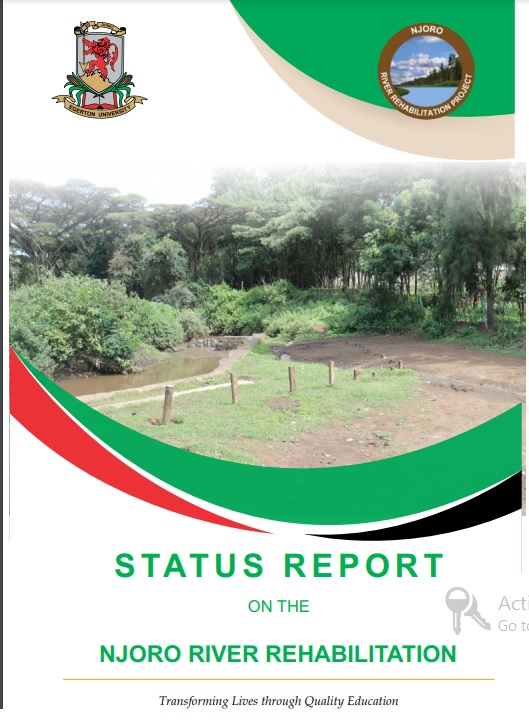
Status Report On The Njoro River Rehabilitation

Egerton University, March 2, 2024
Egerton University's highly anticipated 9th edition of the annual Run For Mau event proved to be a resounding success, drawing enthusiastic participation and esteemed guests, with Council Chair Dr. Hukka Wario leading the university in marking the occasion.
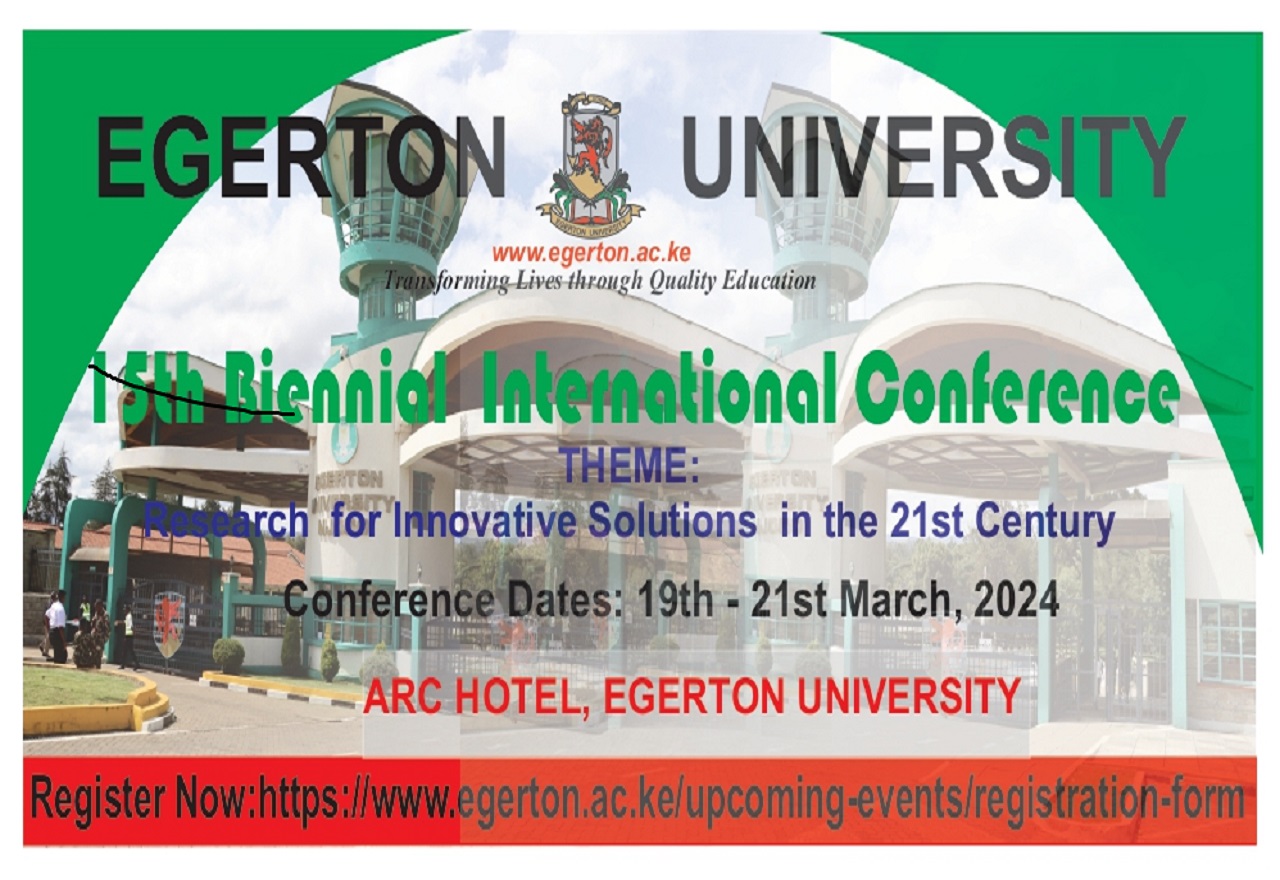
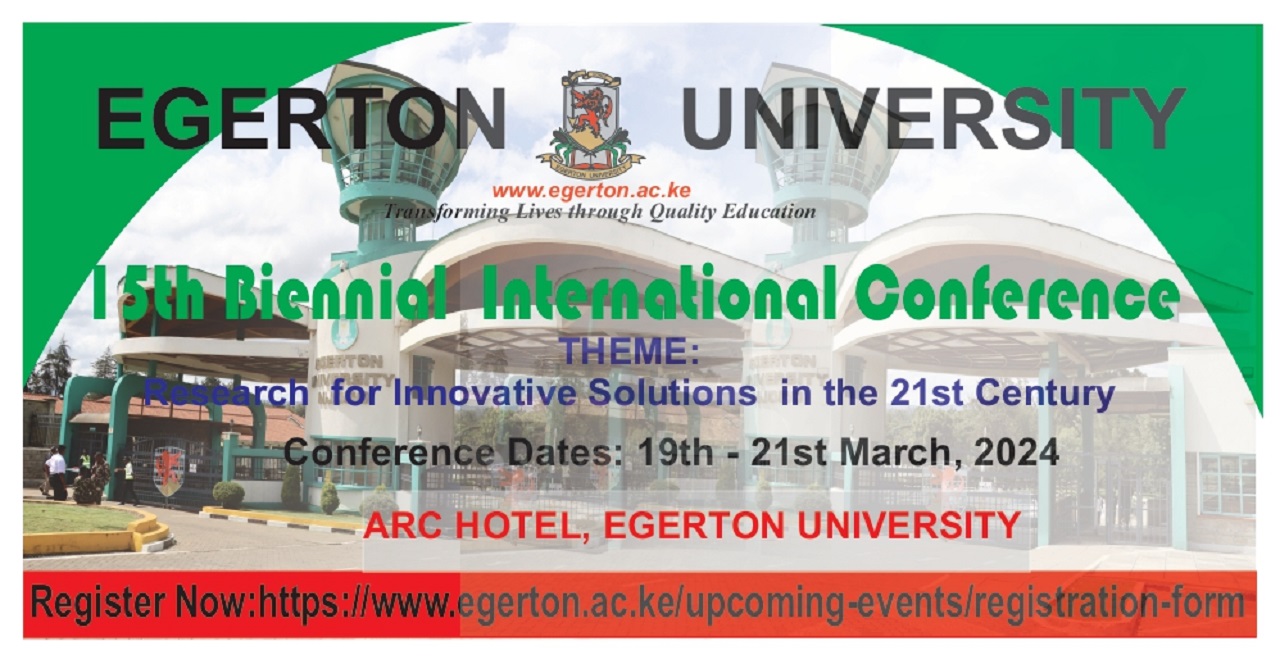
Please sign up to attend the 15th Biennial International Conference taking place at Egerton University, ARC HOTEL, EGERTON UNIVERSITY from the 19th to the 21st of March, 2024. The theme of the conference is "Research for Innovative Solutions in the 21st Century."
Please click here for more information

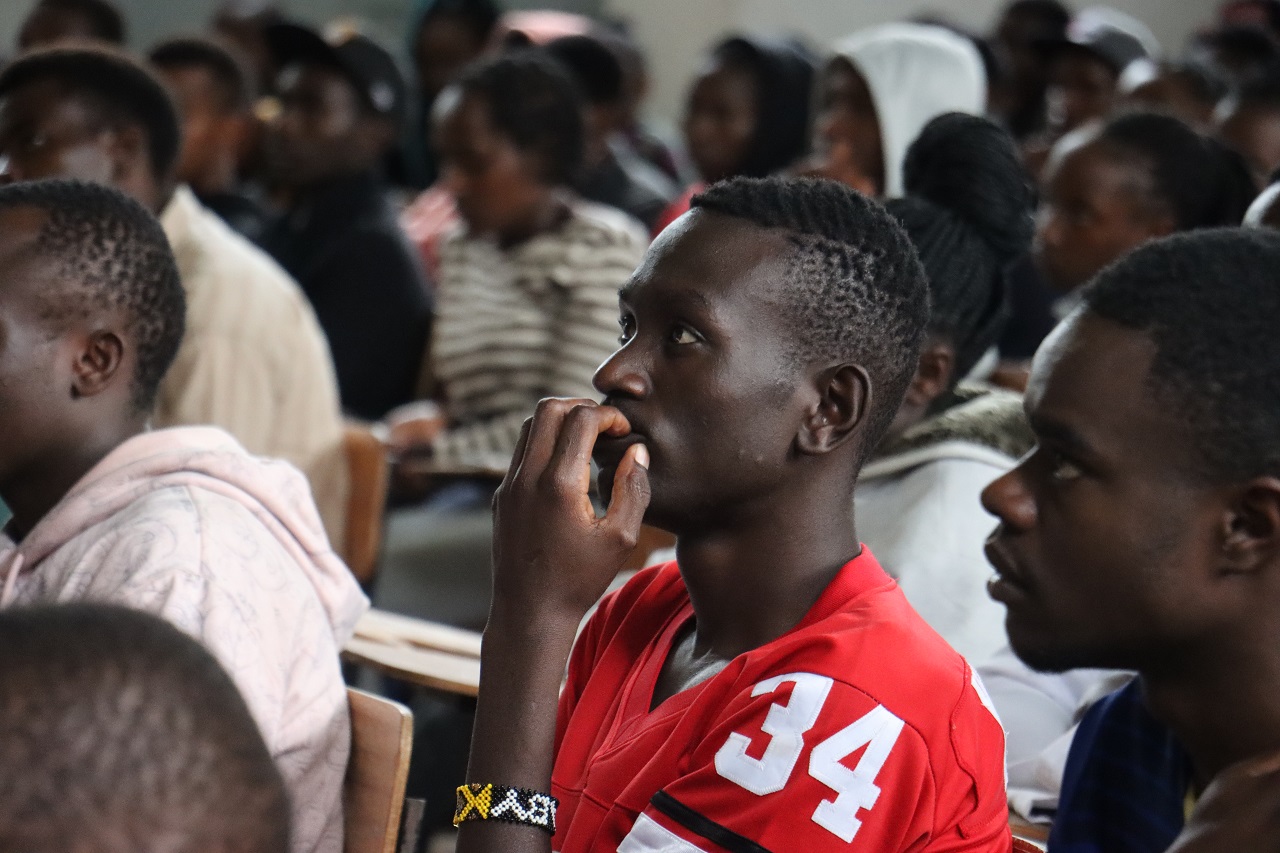
In a bid to enhance the experience of international students at Egerton University, the Board of Postgraduate Studies, under the leadership of Prof. George Morara Ogendi, orchestrated a dissemination seminar aimed at addressing various challenges faced by this demographic.
.jpg)
SPEECH BY THE VICE CHANCELLOR PROF. ISAAC O. KIBWAGE DURING THE HANDING OVER OF REHABILITATED SITES ALONG THE NJORO RIVER, PART OF MAU FOREST ECOSYSTEM VENUE: ENTIYIANI, NAROK NORTH DATE: FRIDAY, 23RD FEBRUARY 2024
SPEECH BY THE VICE CHANCELLOR PROF. ISAAC O. KIBWAGE DURING THE HANDING OVER OF REHABILITATED SITES ALONG THE NJORO RIVER, PART OF MAU FOREST ECOSYSTEM VENUE: ENTIYIANI, NAROK NORTH DATE: FRIDAY, 23RD FEBRUARY 2024
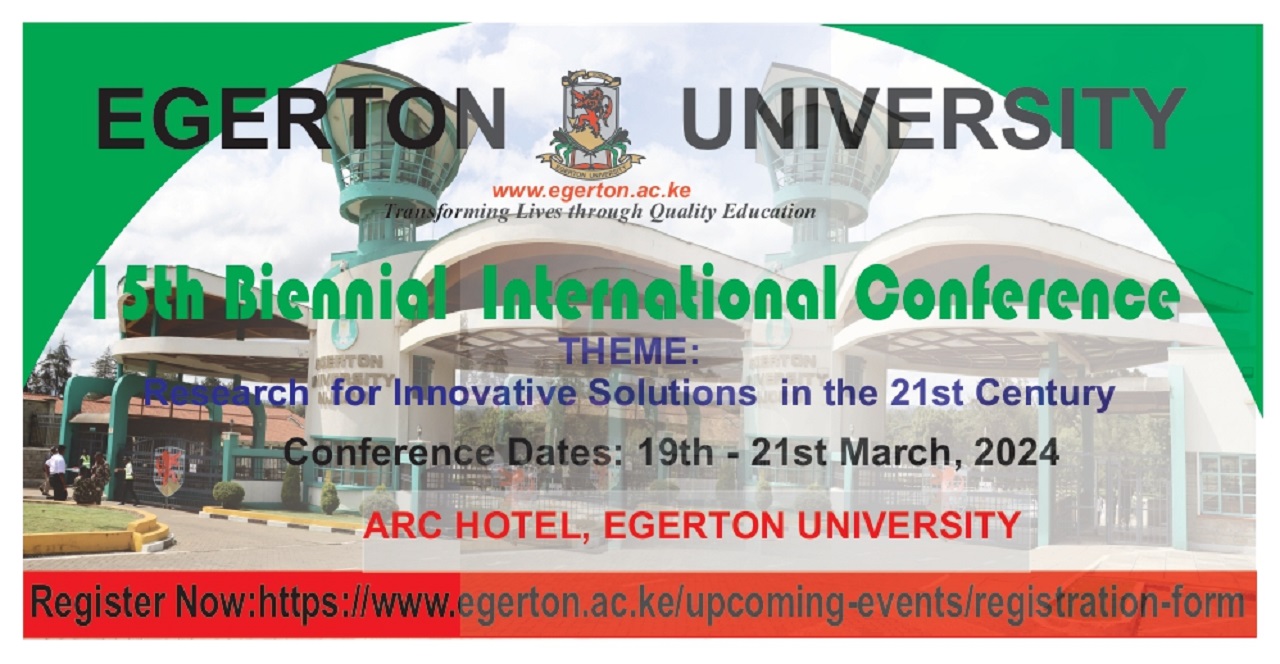
Egerton University is gearing up to welcome scholars, researchers, and thought leaders from around the globe as it prepares to host the much-anticipated 15th Biennial International Conference from March 19 to 21, 2024. This year’s conference will be a blend of both virtual and face-to-face sessions.
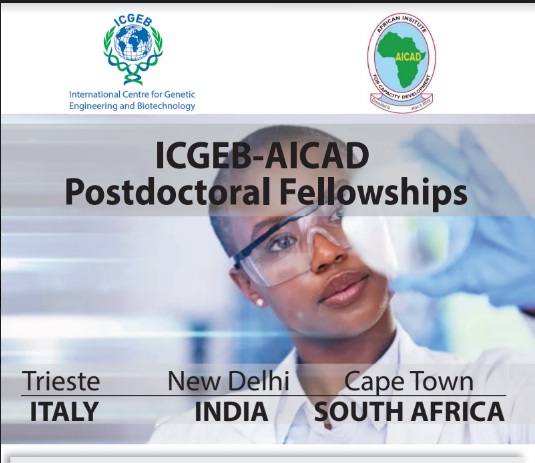
The African Institute for Capacity Development and the International Centre for Genetic Engineering and Biotechnology offer Post-doctoral scientists from Africa* a training period up to 6 months at ICGEB laboratories in Italy, India or South Africa, to perform research work on biotechnology and related fields, including Health (Infectious Diseases and Non-Communicable Diseases), Sustainable Agriculture, Industrial Biotechnology and Renewable Energy
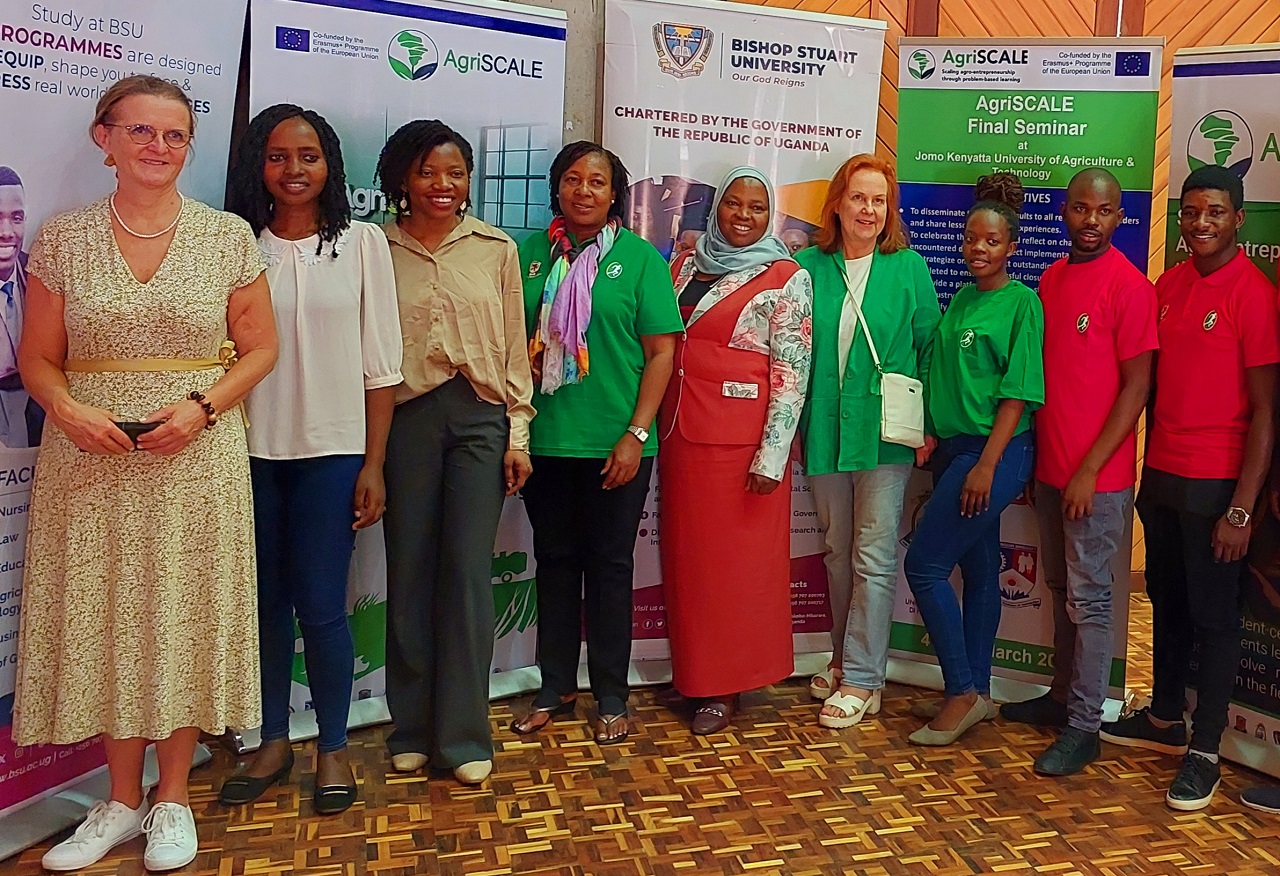
The Collaboration Action for scaling Agri-Entrepreneurship and Industry Engagement in Food and Agribusiness Training in Sub-Saharan Africa (AgriSCALE) is a joint initiative by 9 HEIs (Higher Education Institutions) in Finland, Kenya, Italy, Uganda and Zambia.

Egerton University is gearing up to partner with key stakeholders to host the upcoming 3rd National Alternative Justice Systems Conference. Led by Justice (Prof.) Joel M. Ngugi, the National Steering Committee for the Implementation of Alternative Justice Systems Policy (NaSCI-AJS) recently engaged with the University leadership to finalize plans for this significant event.

Journal of the Kenya National Commission for UNESCO
Call for Articles and Submission Guidelines
Deadline for submissions: 15th May 2024
Journal of the Kenya National Commission for UNESCO
Call for Articles and Submission Guidelines
Deadline for submissions: 15th May 2024

DECLARATION OF VACANCIES
Egerton University was founded in 1939 as Egerton Farm School and was upgraded to an Agricultural College in 1950. In 1986, the Agricultural College became a constituent College of the University of Nairobi. It was elevated to a University in 1987 through an Act of Parliament.
Since its inception, the University has registered significant expansion in student numbers, academic programmes and physical facilities. Currently, the University has a student population of over 16,000 and a staff number of 1,291 and consists of two (2) campuses. Njoro Main Campus and Nakuru City Campus College.
The University invites applications from suitably qualified and experienced individuals with excellent credentials to fill the following posts.
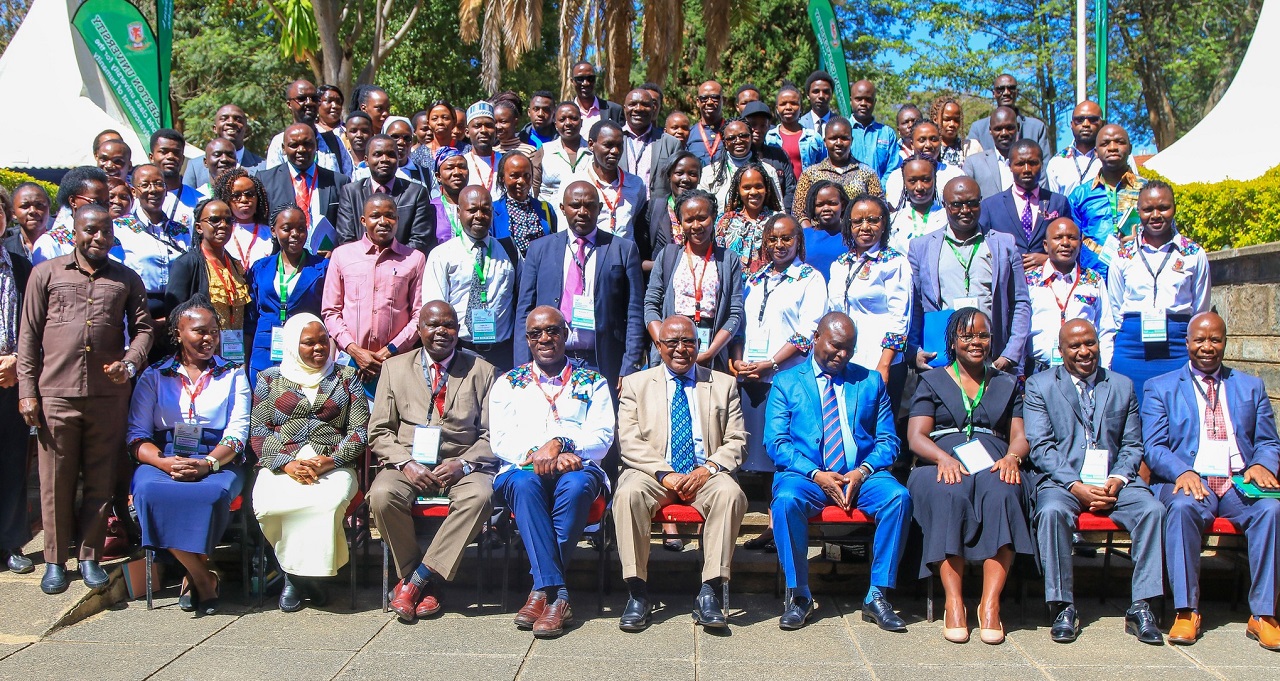
Distinguished guests, esteemed colleagues, valued participants, and our esteemed Chief Guest, Dr Beatrice Inyangala, the Principal Secretary at the State Department of Higher Education & Research,I extend to you a warm welcome to the Egerton University 15th Biennial International Conference, 2024. As we gather under the theme "Research for Innovative Solutions in the 21st Century," let us take note of the pressing challenges facing the continent and the role of universities and research institutions in creatively and innovatively addressing them.